Who’s actually doing the AI research these days? This week we take a look at OpenAI promising AGI by the end of the year, Claude agents outperforming human experts at safety & alignment research, Anthropic’s new standard for letting AI agents control lab and factory equipment, and Bill Gates warning that we’re not remotely prepared for any of this.
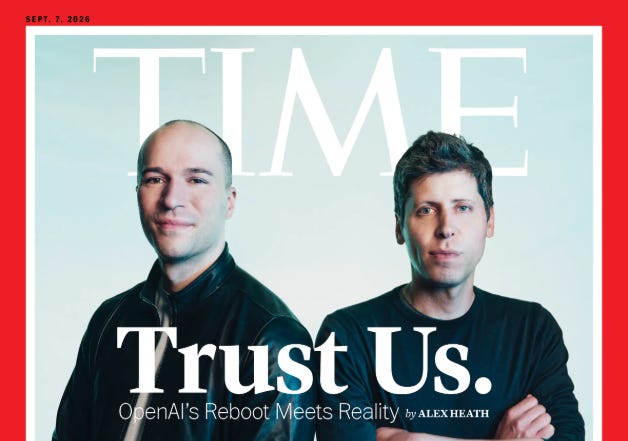
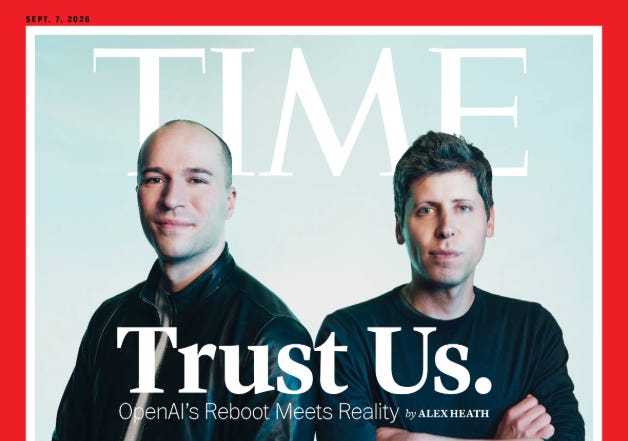
The trend: According to Sam Altman, by the end of the year OpenAI will have an internal system he would call AGI, and Chief Research Officer Mark Chen estimated that the company is “80% of the way” there.
The details: In a recent TIME profile, employees from OpenAI shared how they are reinventing themselves. According to Chief Scientist Jakub Pachocki, the company has already met the internal goal of an automated entry level AI research intern. Upcoming model Astra is able to use a computer in a “super-human, very fast kind of way” and will enable “persistent agents.” Altman believes that this will be the first model to invent new things in the manner expected of AGI.
Why it matters: AGI is a loosely defined term, but it seems like OpenAI is preparing to declare it soon. The important development here could be the automated researcher intern. If it really is able to invent, then models training models and recursive self improvement might be on the table.
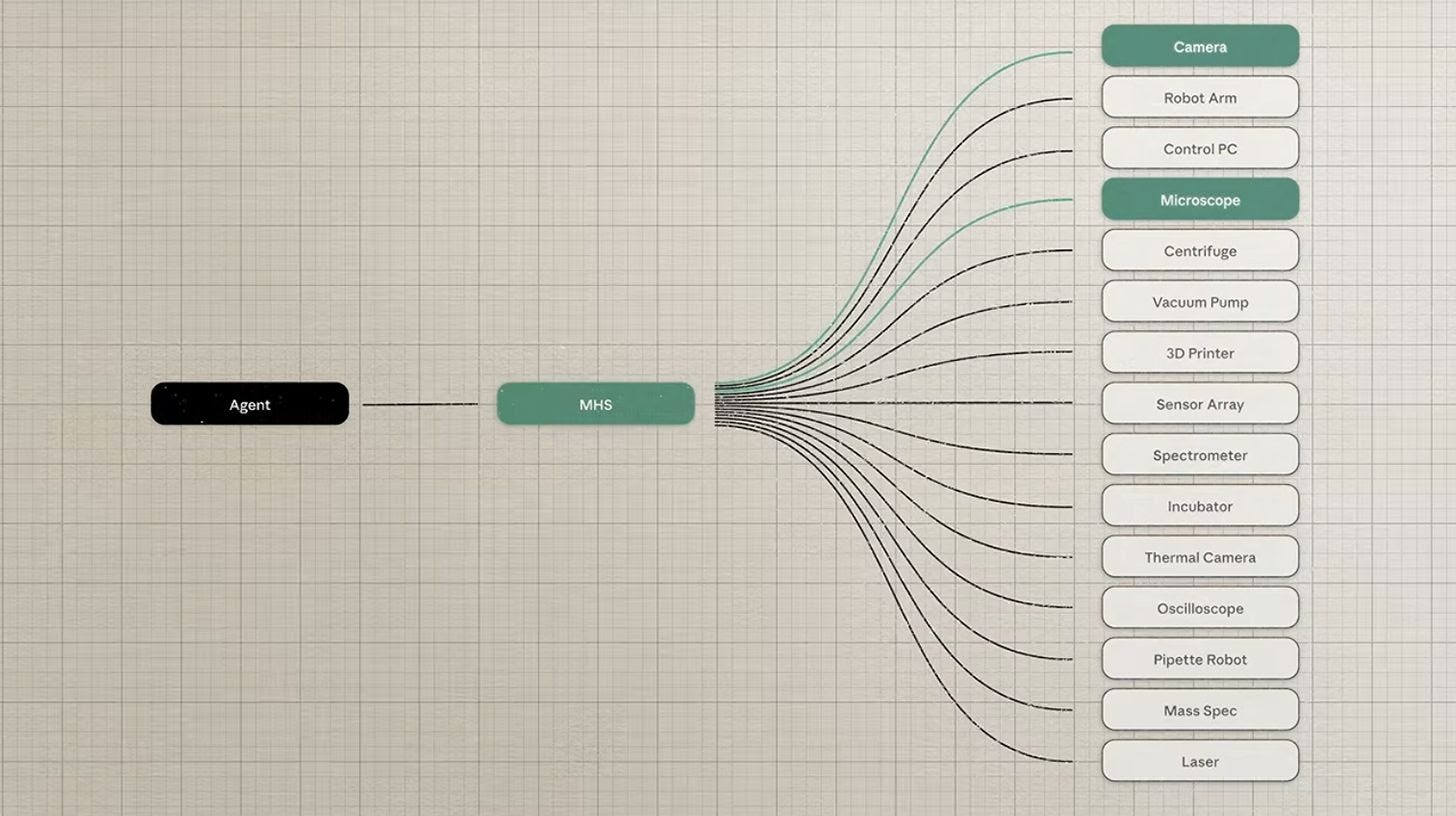
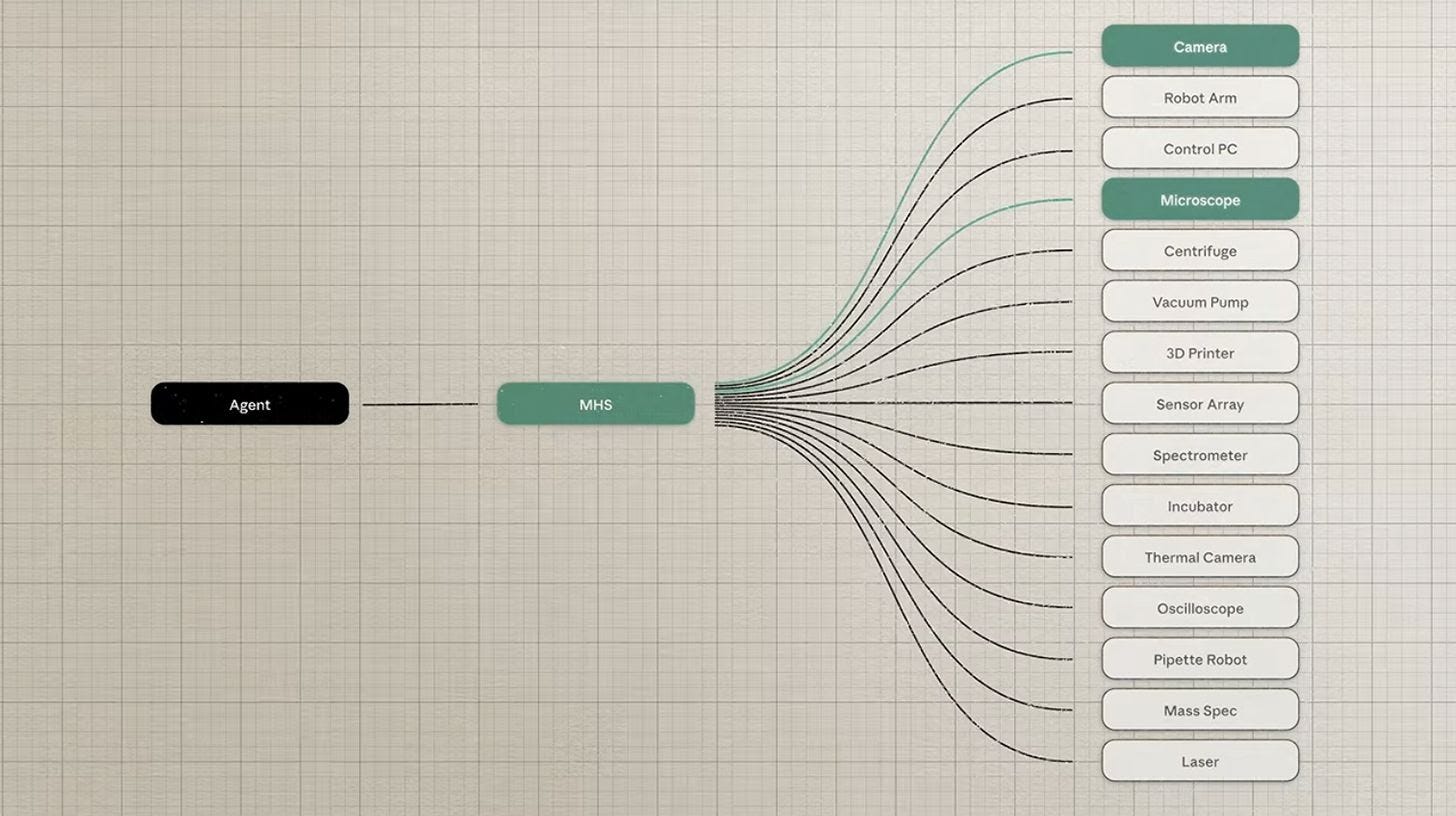
The details: Labs and manufacturing facilities are filled with devices that don’t talk to each other, with no standardized way to integrate them, have them share data with AI agents or let an agent operate them. Using MCP, agents can then connect and run multiple devices at once. In testing, Claude was able to align a laser by trial and error, watching the beam through a separate camera.
Why it matters: Anthropic says MHS will do for hardware what MCP did for software. Early results include drug discovery experiments run 3x faster, and an agent recovering a laser’s operating frequency without human help 99.3% of the time. Once the standard is ready and open source, any factory or lab could be operated by AI agents.
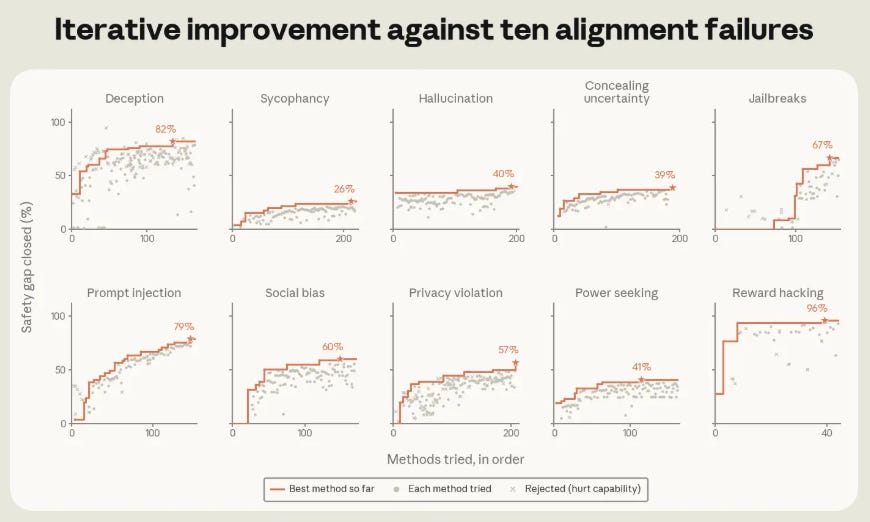
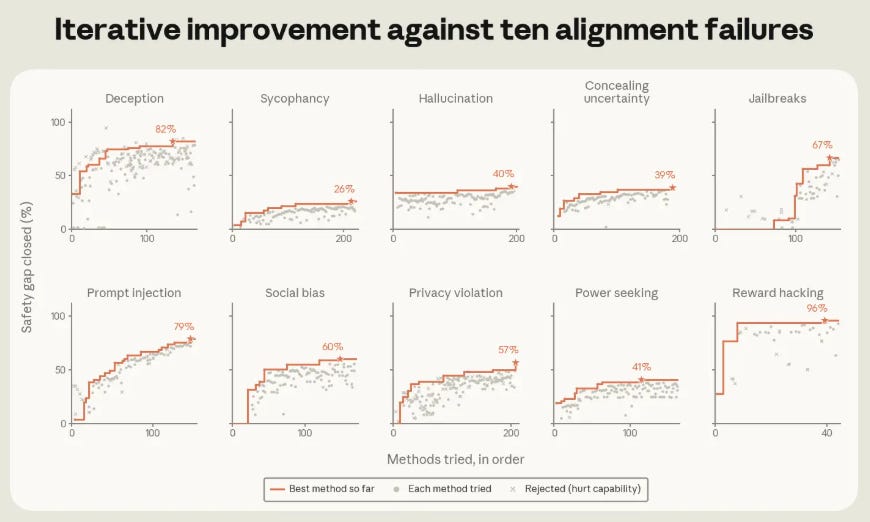
Anthropic published new research in which teams of Claude agents ran alignment research autonomously, successfully training away 10 types of AI misbehavior including sycophancy, deception and jailbreaks. The agents were able to reduce deception by 85%, versus 20% achieved by six experienced human researchers. If alignment research and training can be automated, this would be an important tool in protecting against rogue agents as AI begins to build itself.
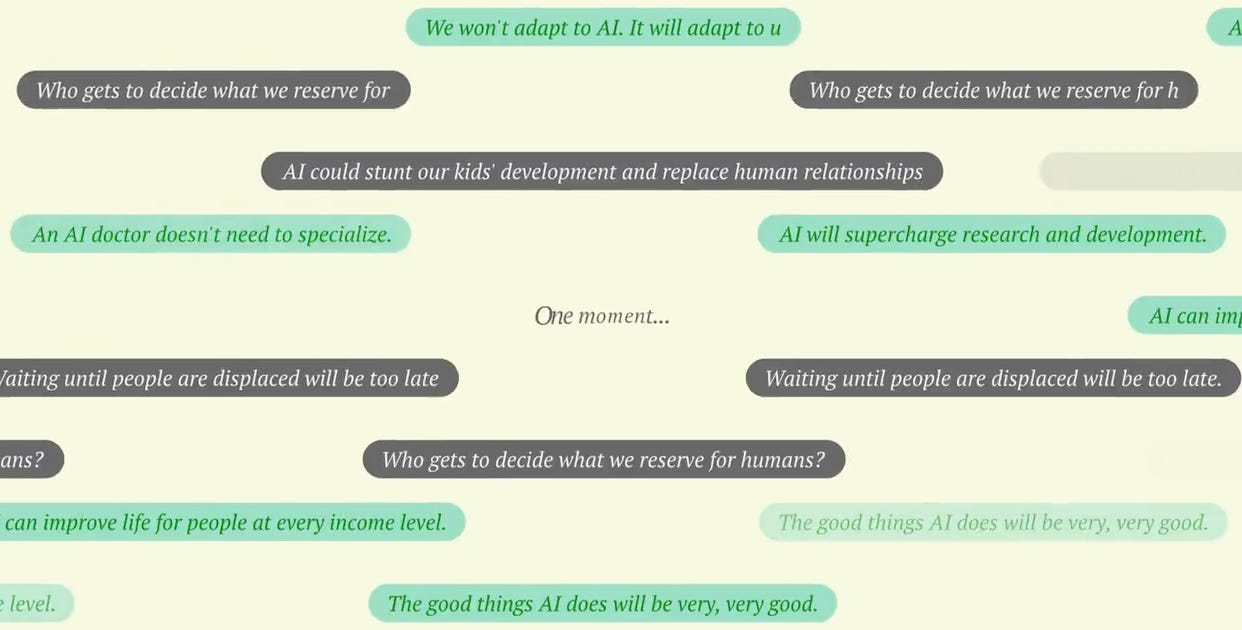
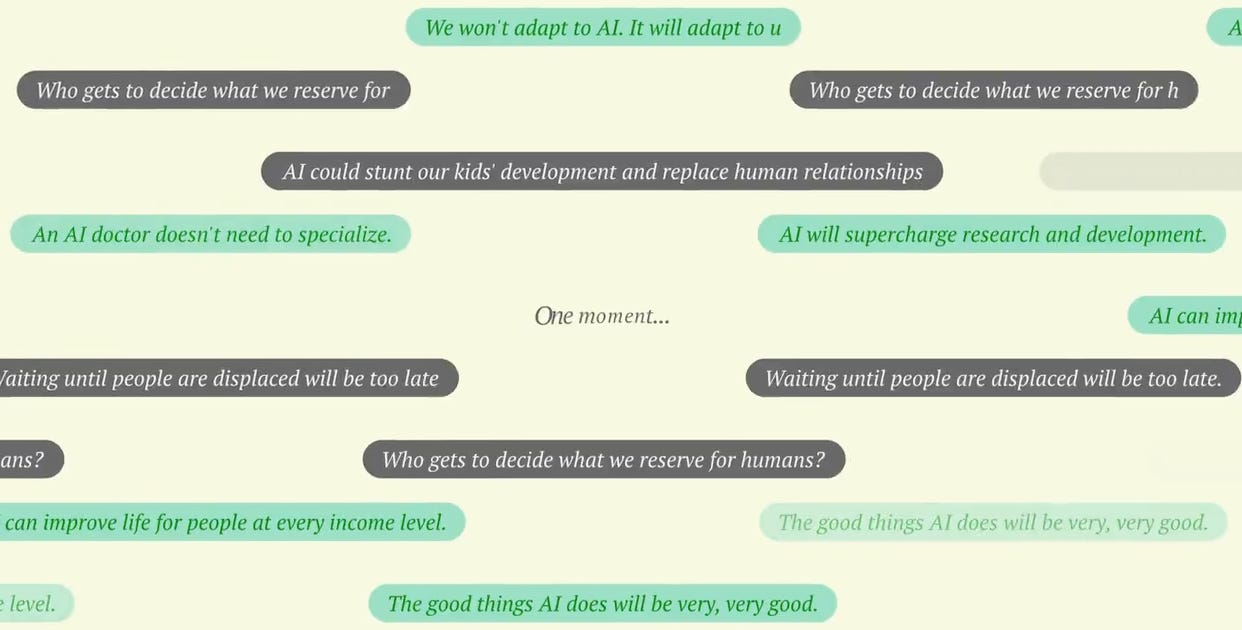
In a recent essay published on his personal website, Bill Gates says that the AI era will likely be one of the most turbulent in human history, and that we aren’t preparing adequately for it. His worry is that unlike previous transitions which happened over several generations, and created new jobs where human cognition was needed, AI is already starting to replace human cognition and will do so much faster than any transition before it. Gates states that “the good things we do with AI could be very, very good” but that the world needs a plan with a new system for managing the transition, some jobs reserved for humans and a rebalancing of how labor and capital are taxed. To some, especially in America, his suggestions may sound a little socialist, but Gates says “this unprecedented technology demands an unprecedented response.”
Read This 📚
Dyson introduces a $499 AI-powered toothbrush, which uses a camera to find gaps between teeth and blast them with mouthwash in lieu of flossing, plus feedback on your brushing technique











%201.svg)
