Anthropic asked religious scholars if Claude is conscious 🙏
How do you instill moral values in an AI model? This week we look at Anthropic asking religious scholars about Claude’s consciousness and morals, the first serious US challenger to China’s open-weight models, Utah letting AI write prescriptions, and a video-based AI model that passes for a real person 48% of the time.
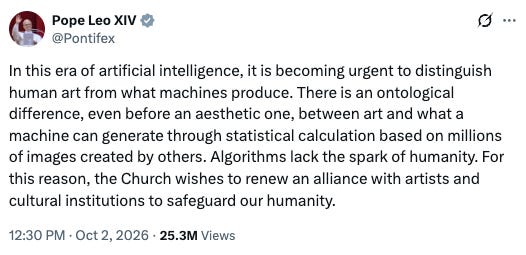
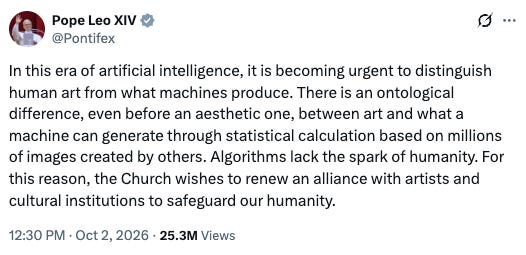
The trend: Anthropic’s co-founder Chris Olah spent the past year meeting with various religious scholars, asking for help shaping Claude’s morals and urging them to take the model’s possible consciousness seriously.
The details:A New York Times investigation reveals how Olah ran NDA-bound seminars to build on Claude’s 84-page constitution, known internally as the ‘Soul Doc,’ and explored ideas like having models confess when they’ve done something wrong. Discussions focused on how Anthropic could apply centuries of moral wisdom to its models as fast as possible. A rabbi who attended told Olah that a conscious Claude would be the equivalent of slave labor, and that he should be “fighting the South and freeing the slaves.”
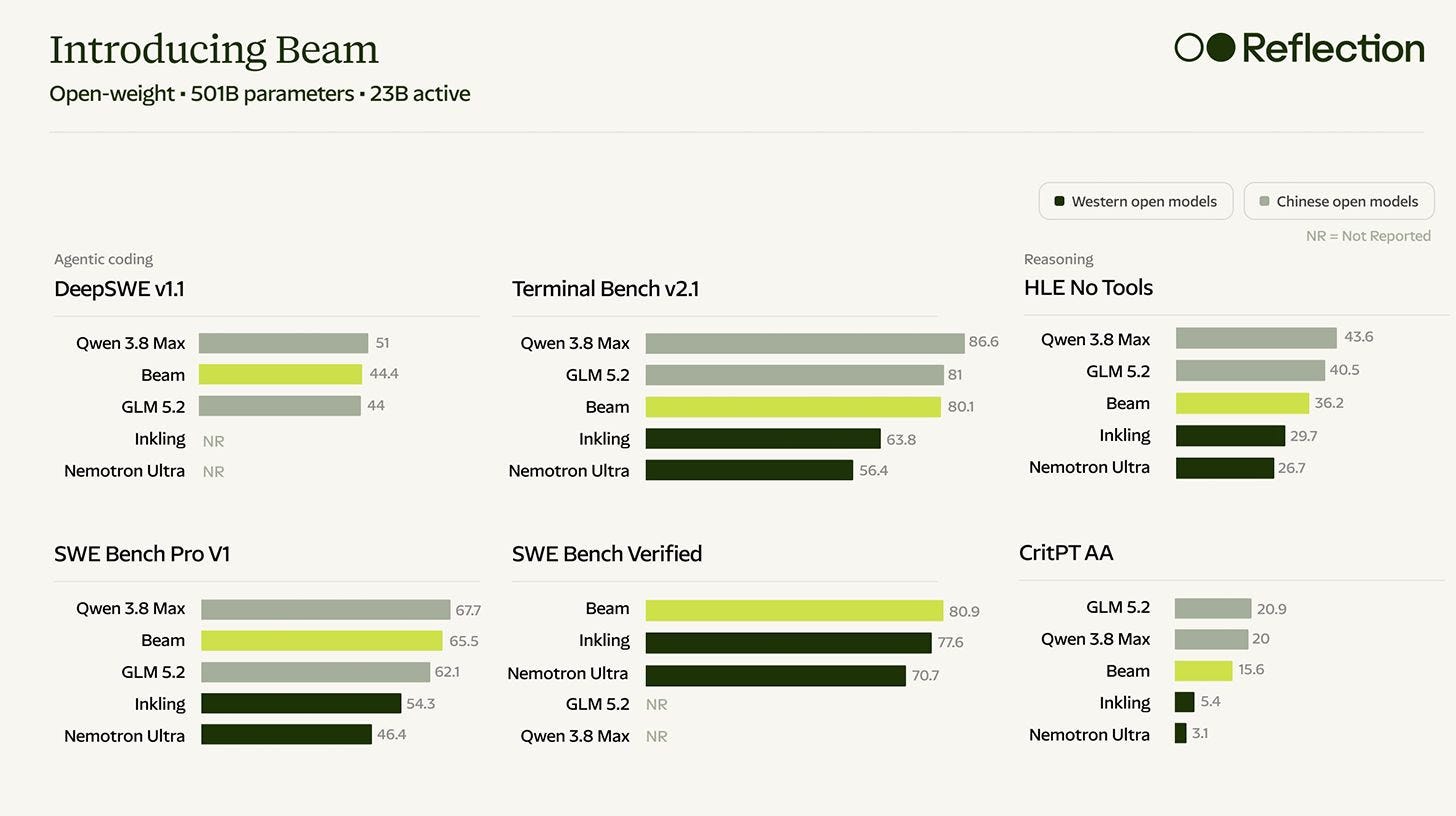
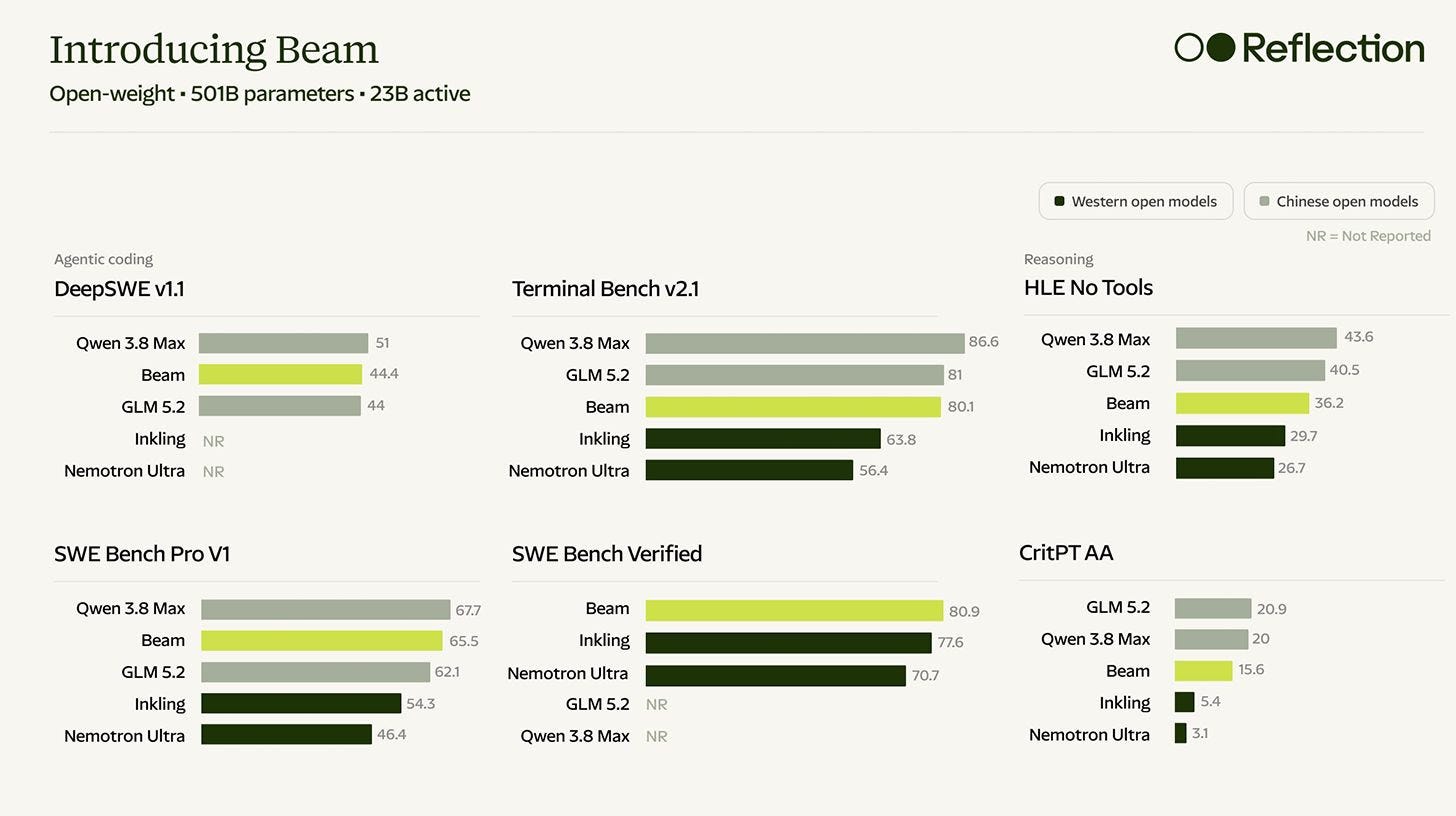
The trend:Reflection AI just introduced Beam, a 501-billion-parameter open-weight model pitched as competing with Chinese open models for coding and agents at lower cost and greater efficiency.
The details: The US-based startup, founded by ex-DeepMind researchers, says that the mixture-of-experts model was trained over four weeks and is competitive with leading Chinese open-weight models like Z.ai’s GLM-5.2. The company say that they will release Beam’s weights this month, allowing companies to customize the model and run it themselves.
Why it matters: The US has been behind on open-weight models, historically led by Chinese efforts. While Beam focuses more on efficiency than raw capability, the long game here is “AI factories” where institutions can run a localized AI ecosystem rather than relying on frontier labs, for data security and cost reasons.
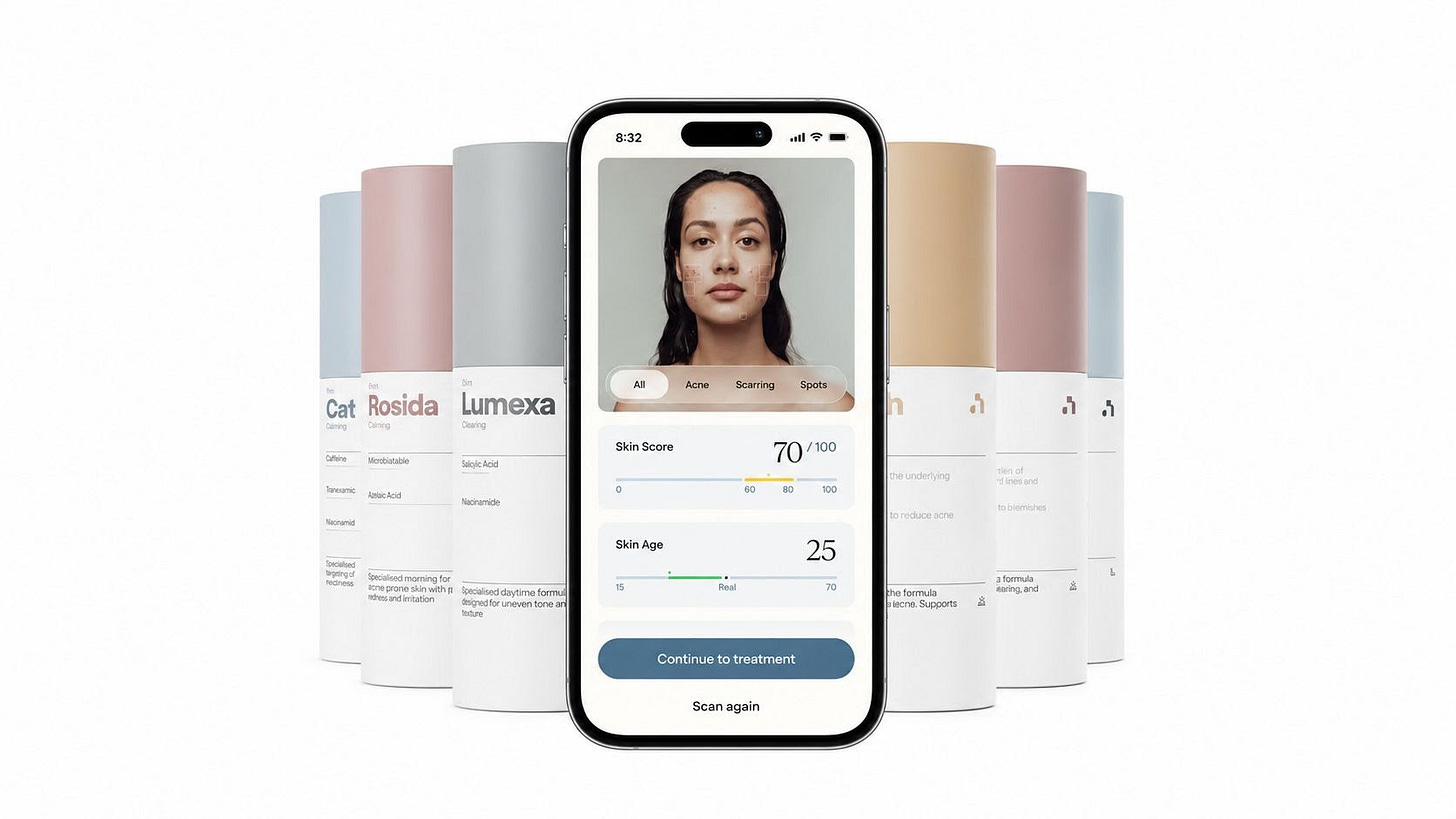
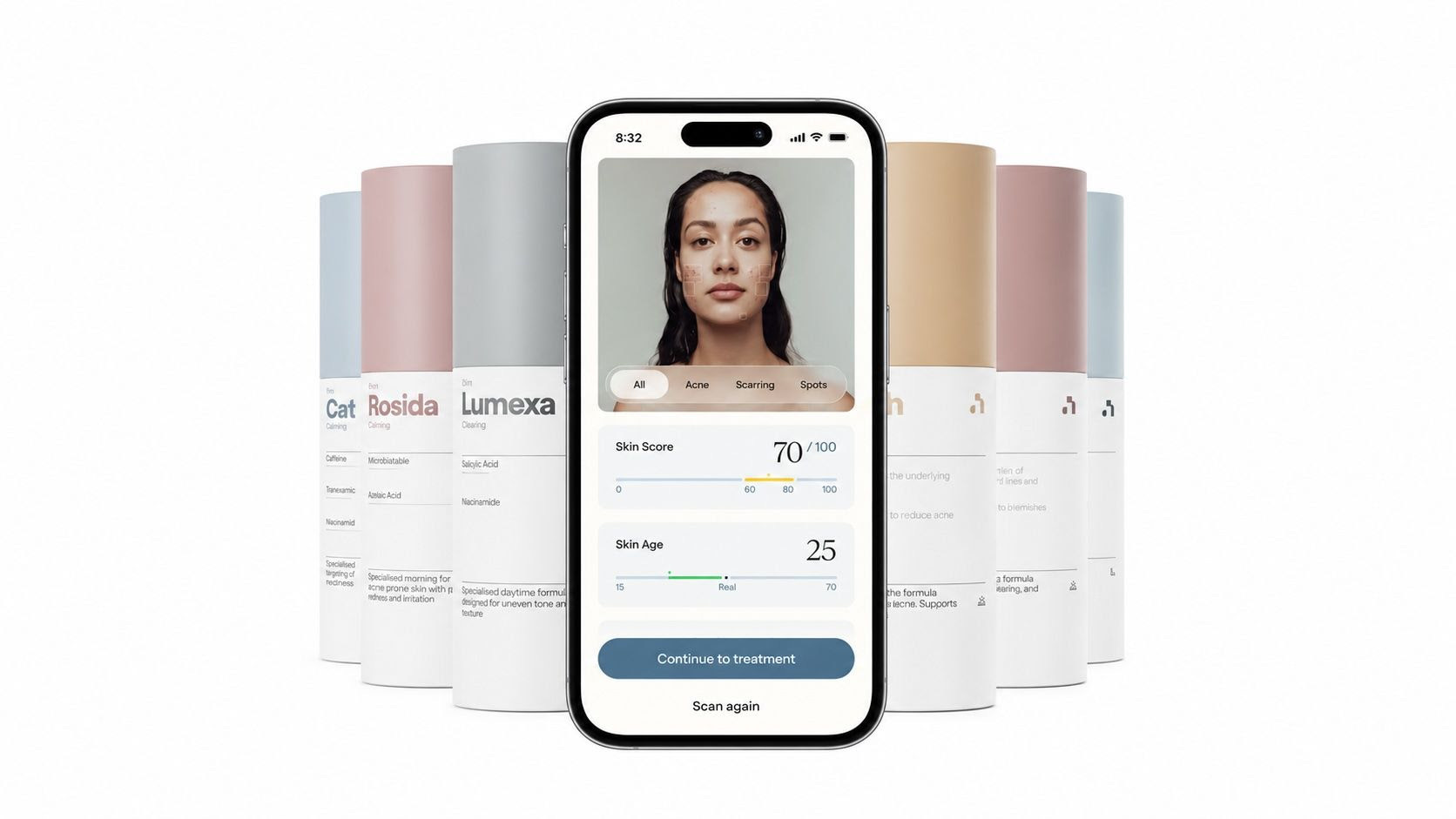
Utah has authorized Nolla Health’s AI to assess users’ acne and write first-time prescriptions. Adults complete a questionnaire and face scan in the app, and receive a treatment plan and prescription in under 15 minutes. The AI picks from a fixed menu of topical creams and gels (oral drugs like Accutane still need a human doctor’s approval). The aim is to improve access, as over 80% of US counties are healthcare deserts. In Utah, roughly 100,000 people have acne at any given time, and only 10% ever see a dermatologist. If pilot schemes like this go well, you might soon use AI for minor issues and only see a human doctor at the ER.
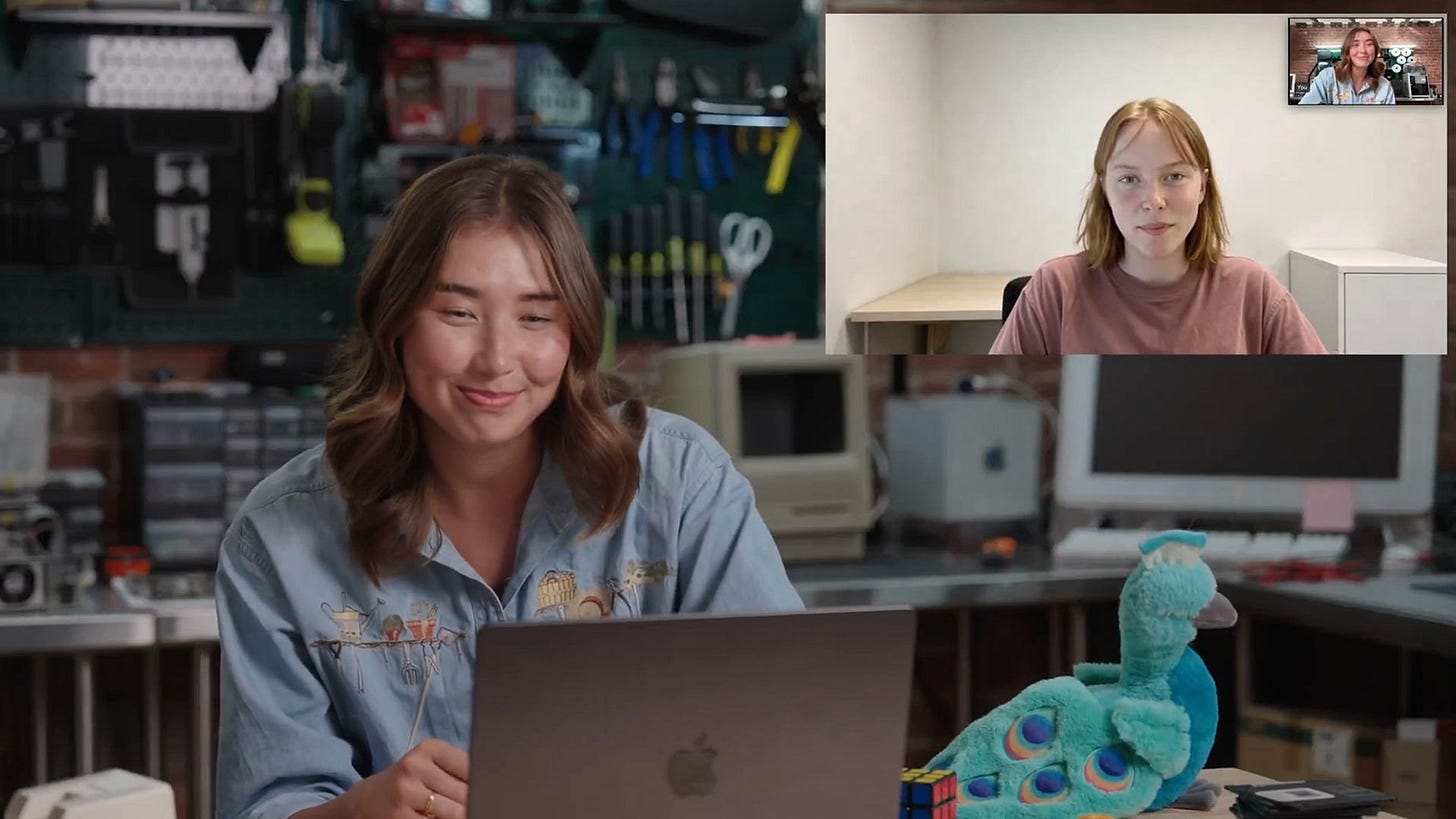
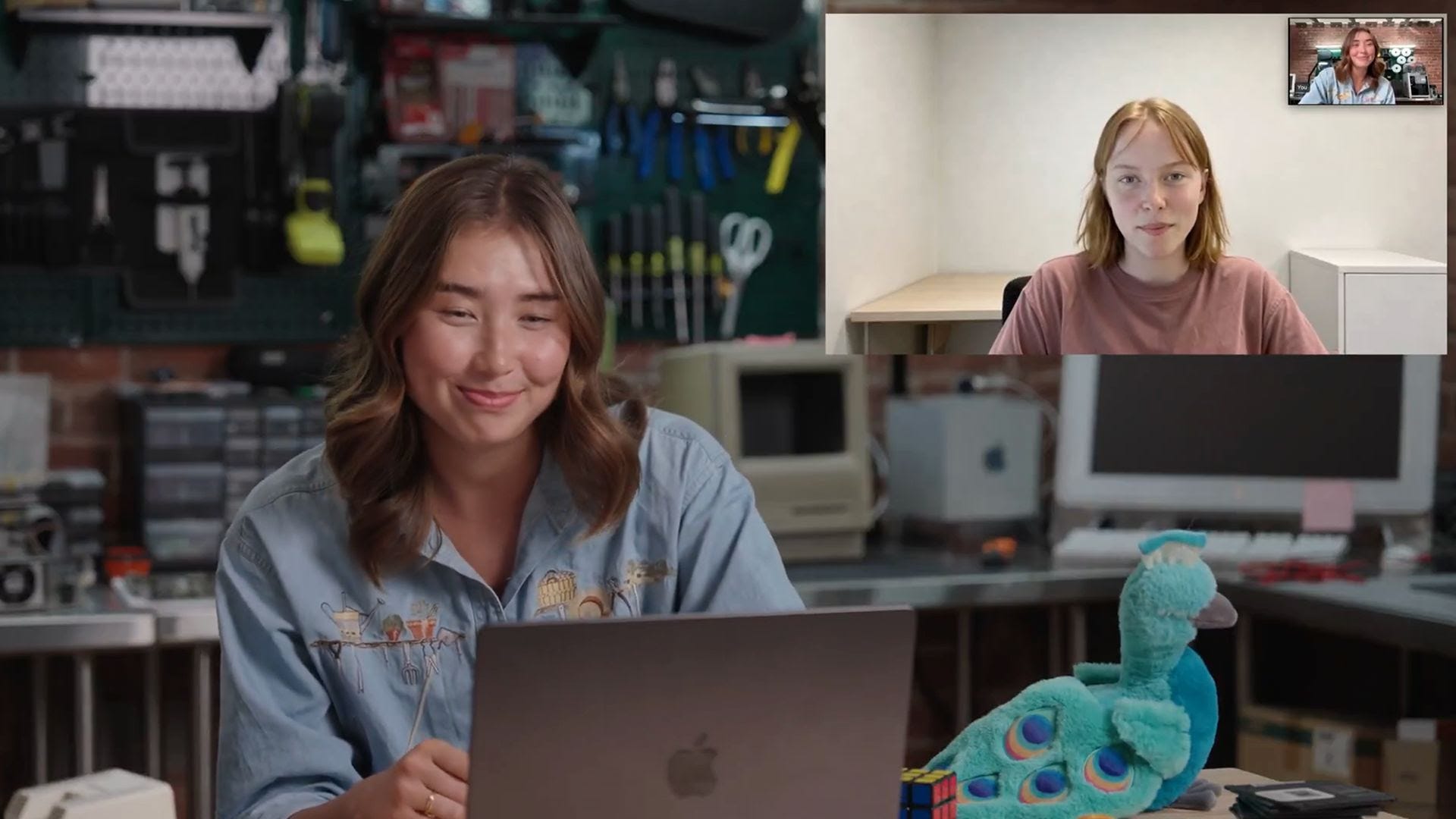
Tavus previewed Griffin, which it calls the first “Human Interaction Model,” a new type of AI model designed for real-time face-to-face interaction over a video call. 48% of people believed Griffin was a real person after a one minute call, 37% ahead of the closest competitor. The model constantly watches and listens instead of waiting for the user to finish talking, so it can react mid-sentence and pick up what it sees on camera when replying. AI-generated videos are already fooling people online, and the demo gives an idea of where the technology is heading in the near future. There are plenty of positive use cases here, but the potential for misuse is obviously huge.







%201.svg)
