For a while now, the worry has been that the AI boom is mostly big companies funding each other in a circle, with no real revenue underneath. New numbers suggest that isn't the case.This edition we look at what 400,000 coding sessions reveal about why domain expertise matters more than knowing how to code, whether the AI economy is built on real revenue, and why access to the most powerful models may increasingly be decided by governments rather than the labs building them. Also we’ve added some entertainment to the end of the newsletter, so scroll down and check it out 👇
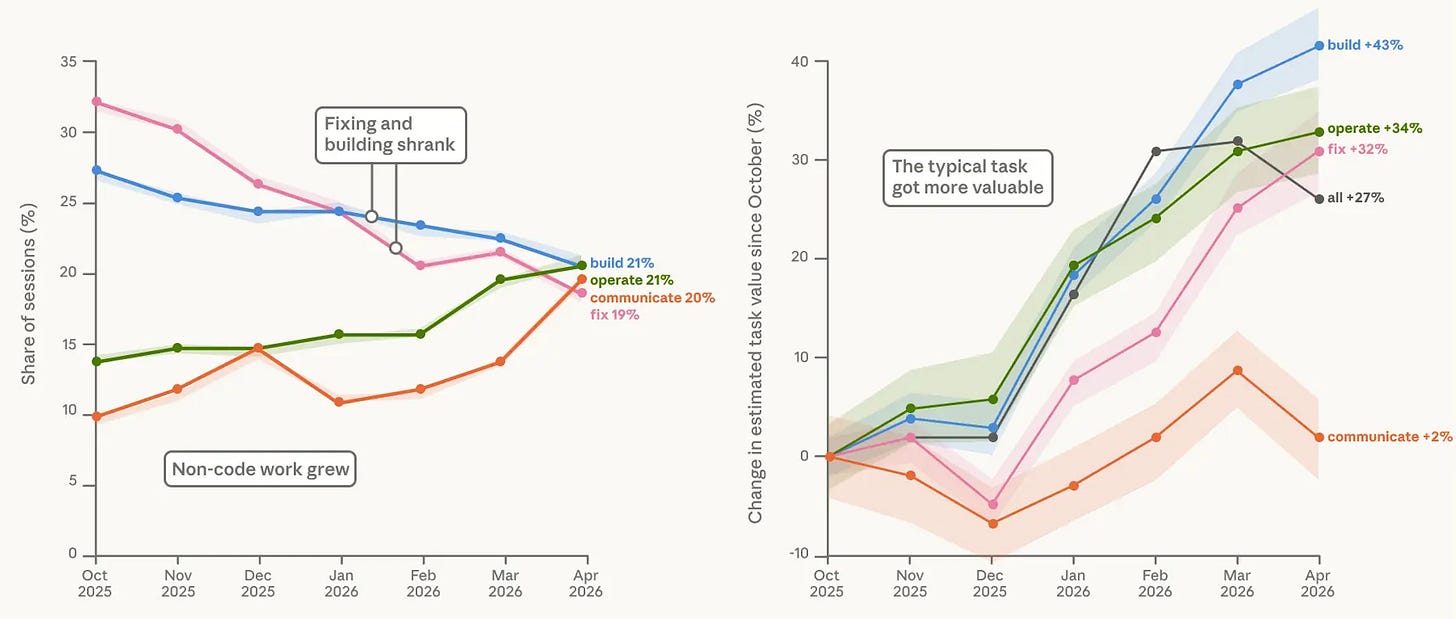
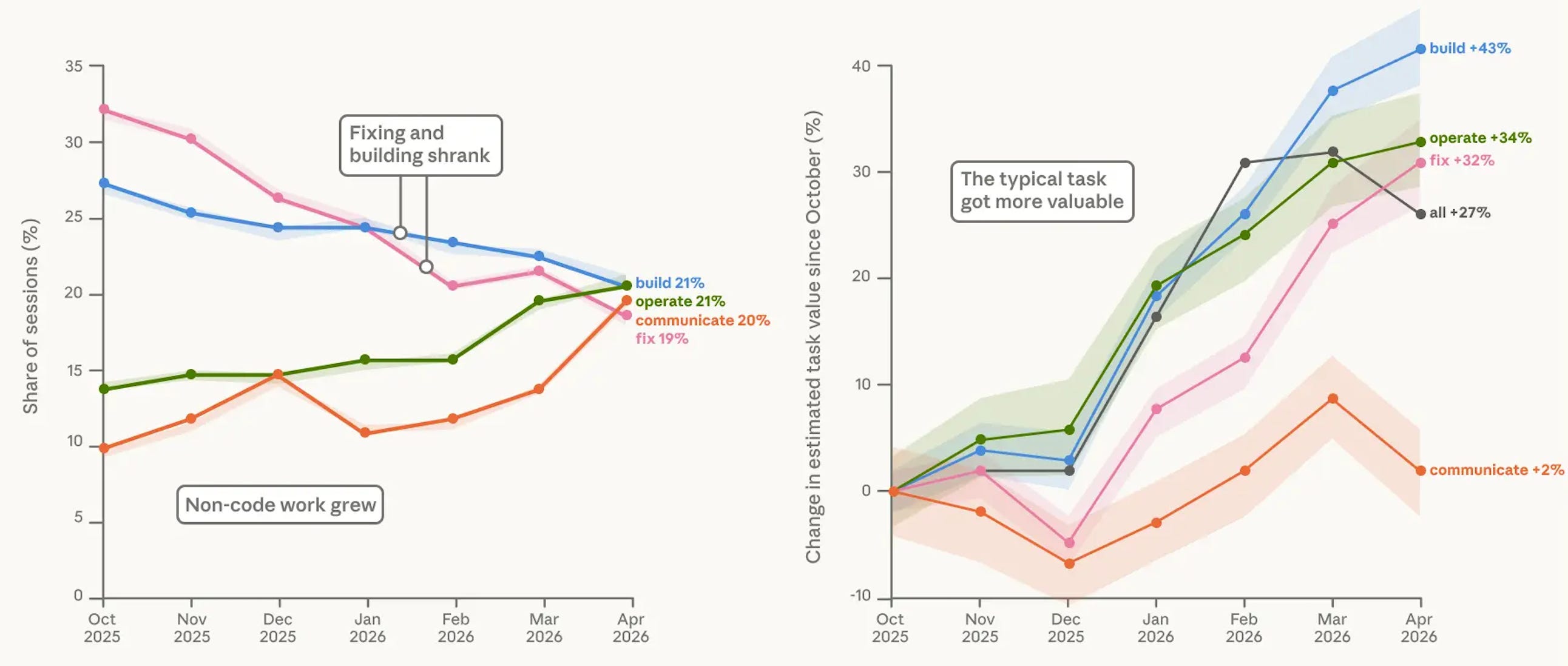
The trend:A new Anthropic study of around 400,000 Claude Code sessions found that the work people delegate to coding agents is changing, with the share of sessions spent fixing broken code falling from 33% to 19% in just seven months as people hand over more complex, higher-value tasks.
The details: Between October 2025 and April 2026, agentic coding work changed substantially. Debugging shrank while the work surrounding code grew: operating software (deploying, configuring, running pipelines) rose from 14% to 21% of sessions, and writing and data analysis roughly doubled from about 10% to 20%. The tasks also became more valuable. Anthropic found the estimated value of the average session rose 27%. The study also found that success depends far more on a person's domain expertise than on whether they can code.
Why it matters: The work is moving up the value chain. As agents absorb the implementation-heavy tasks like debugging, the people directing them are spending their time on higher-order work, and getting more out of it. The advantage doesn't come from the tool itself, which everyone has, but from the judgment and domain knowledge a person brings to it.
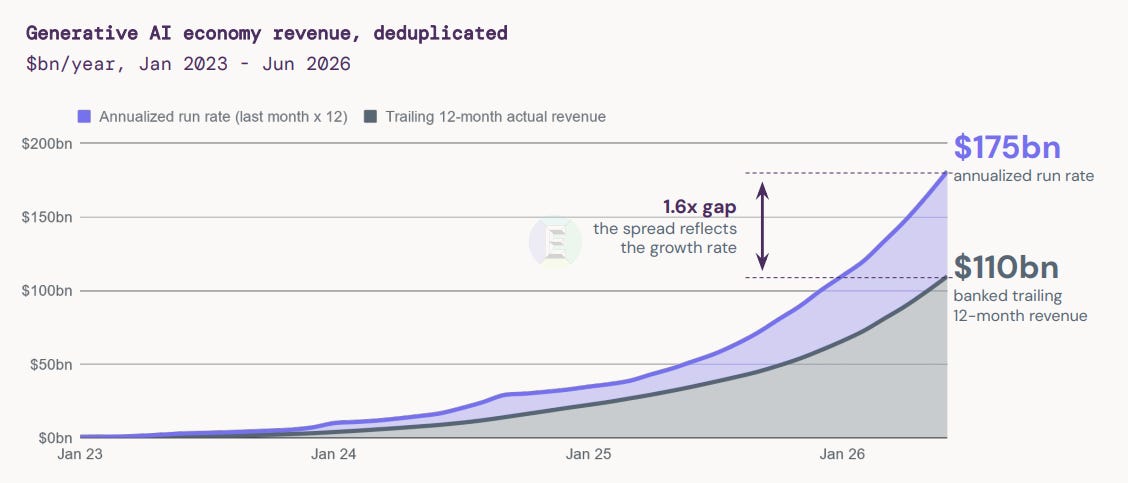
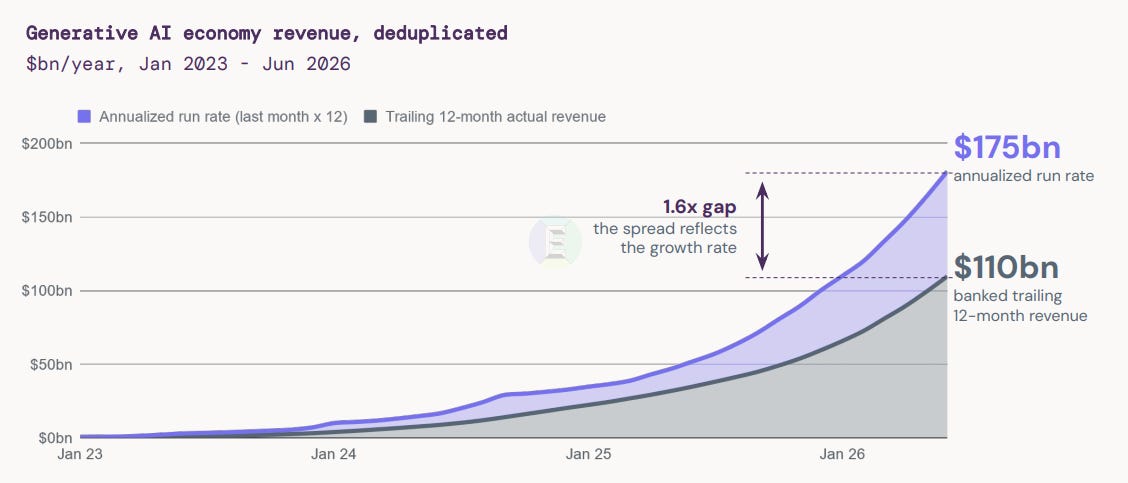
The trend: A new Exponential View analysis reconstructed the AI economy from the bottom up and found that generative AI has generated $110 billion in real, deduplicated revenue over the past 12 months, now on an annualized run rate above $175 billion, and is scaling 3x faster than any prior technology, including the internet.
The details: The researchers modeled what end customers are actually paying, stripping out double-counting so a dollar spent on Claude isn't counted again when Anthropic pays Amazon to serve it. The revenue is real and growing about three times faster than the mobile or internet waves did. Hyperscaler revenues also just about cover the cost of the infrastructure they're depreciating. And demand is highly price-sensitive: every 10% drop in token prices leads to 12-18% more tokens used, so total spend keeps climbing even as prices fall.
Why it matters: This is one of the first serious attempts to show whether the AI boom is built on actual revenue or just circular investment between a few big companies. So far, the money is real and the economics roughly hold up.
Trending Now ⚡
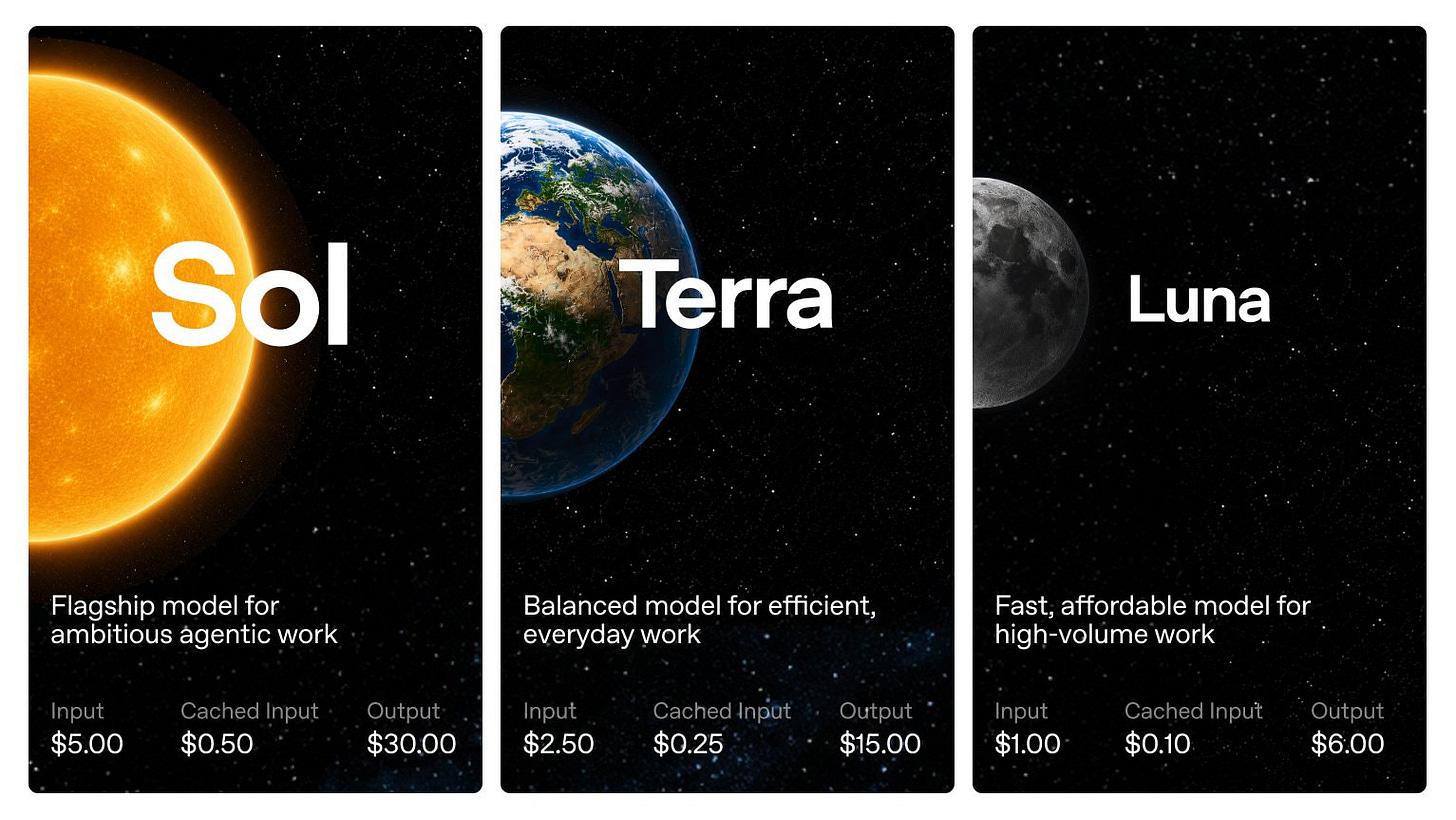
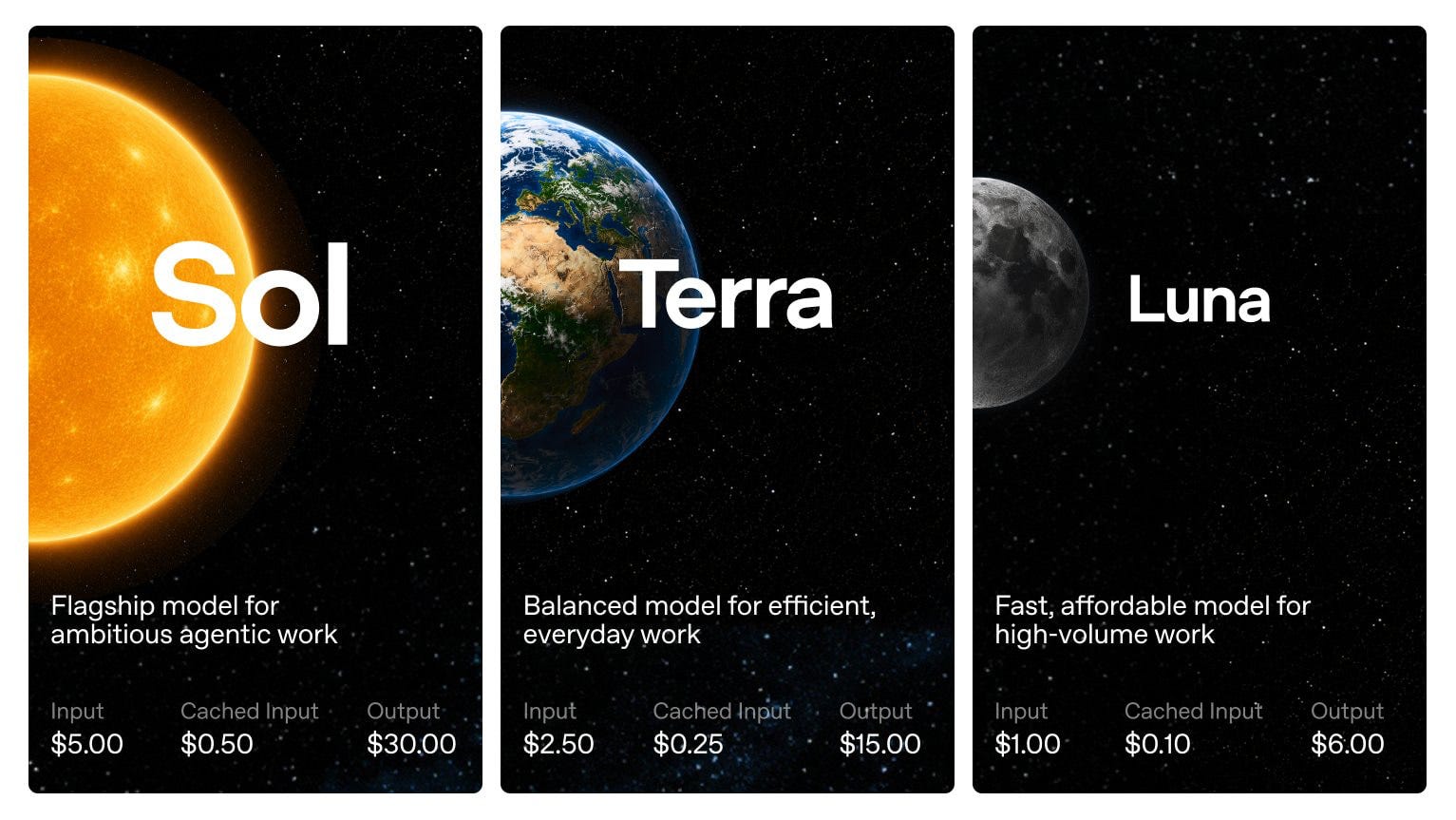
OpenAI’s latest model launch may prove that frontier model access is now in government hands
Meta launched a new line of smart glasses, dropping the Ray-Ban and Oakley branding of its earlier models. They're screenless, with a camera, speakers, and a dedicated button for the Meta AI assistant, which can answer questions and understand what you're looking at. The timing could not have been better for Meta, a week after Snap finally unveiled its long-awaited Specs at a punchy $2,195. The two aren't quite the same product, but side by side, on both price and design, the comparison isn’t pretty.
Read This 📚
Anthropic launched Claude Tag, which lets users add Claude to Slack channels, with the company already generating 65% of its product team’s code this way
Bosses are becoming obsessed with AI, and employees are comparing it to being “in an abusive marriage… I’m sitting here dealing with someone that isn’t living in reality”








%201.svg)
