Humans are becoming the bottleneck at work. This week we look at internal Anthropic data showing its agents sit idle 80% of the time waiting for people to respond, how AI could hand one nation control of space, Harvard research on who’s being left out of AI, and why Anthropic’s Jack Clark now thinks recursive self-improvement could arrive in 2027.
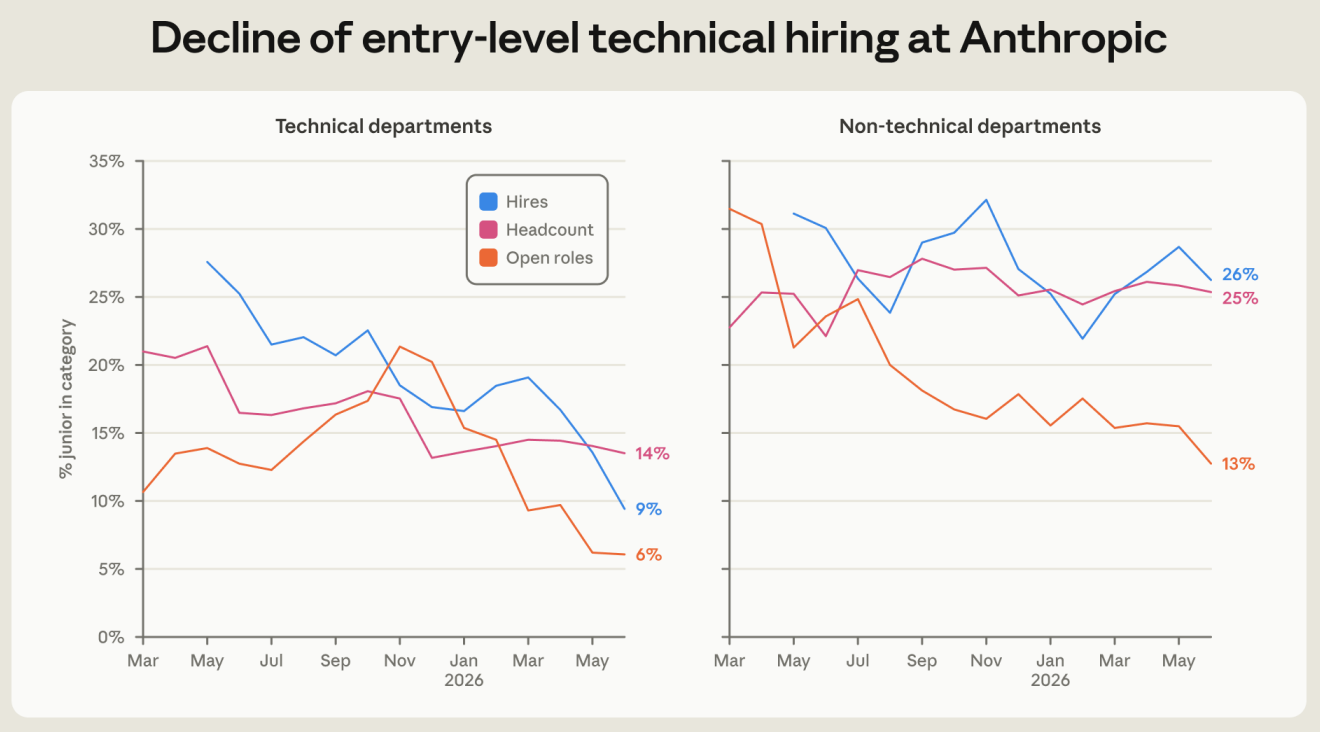
The details: Engineers at the frontier lab are pushing 5x the code changes they did 6 months ago, while agents are sitting idle 80% of the time waiting for a user response, suggesting that humans are now the productivity bottleneck. One engineer described the new work environment as facing “an army of Claudes, with every one asking for my attention.”
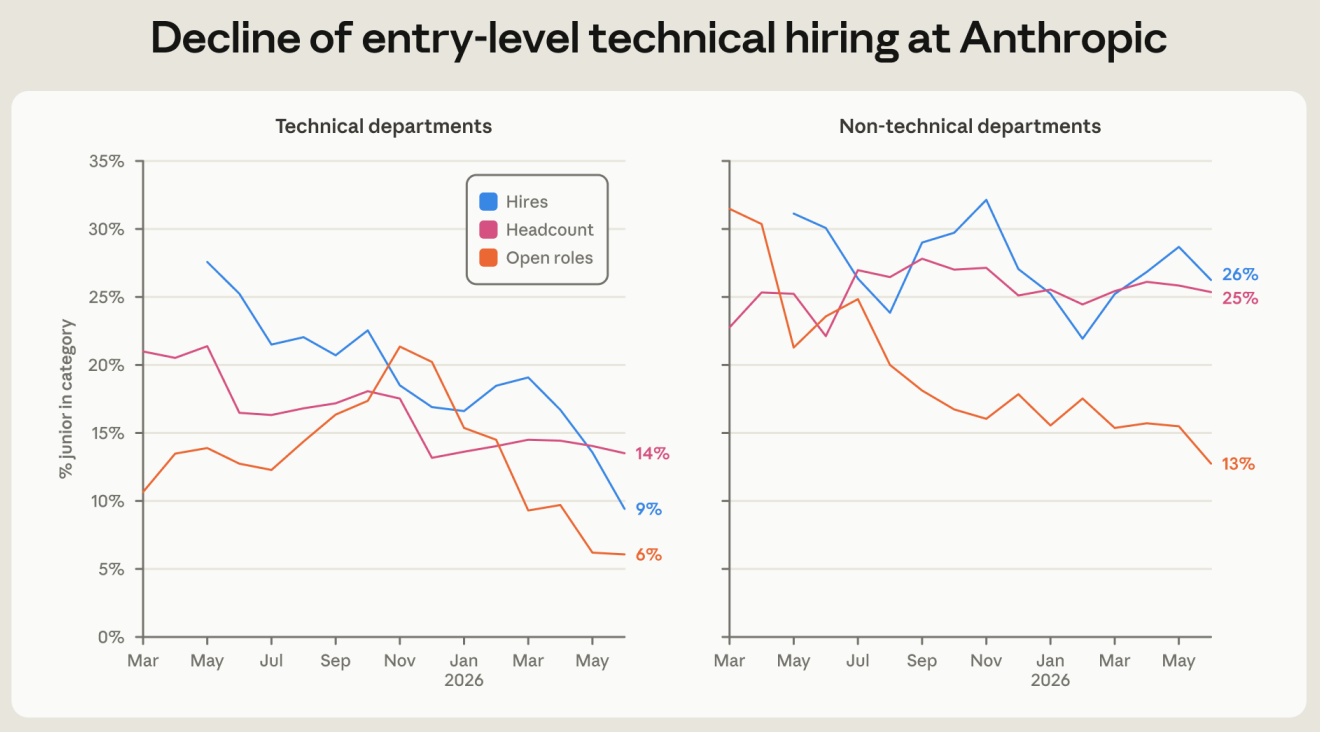
Why it matters: 20% of staff described their role as changing from doing work to managing agents, which are producing more material than staff can read. Anthropic has set up an early-warning system, so they can move employees to roles less at risk of full automation by AI.
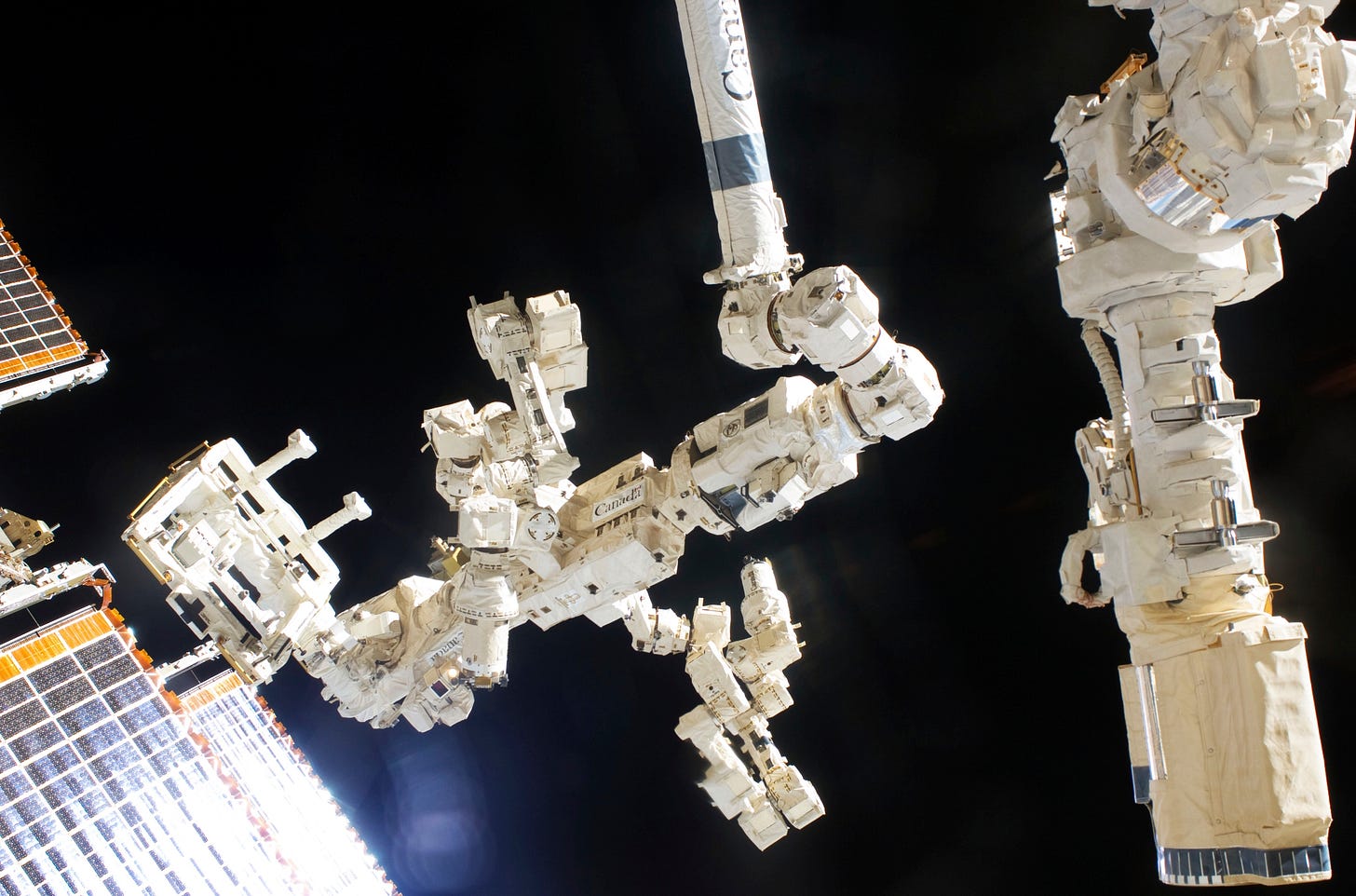
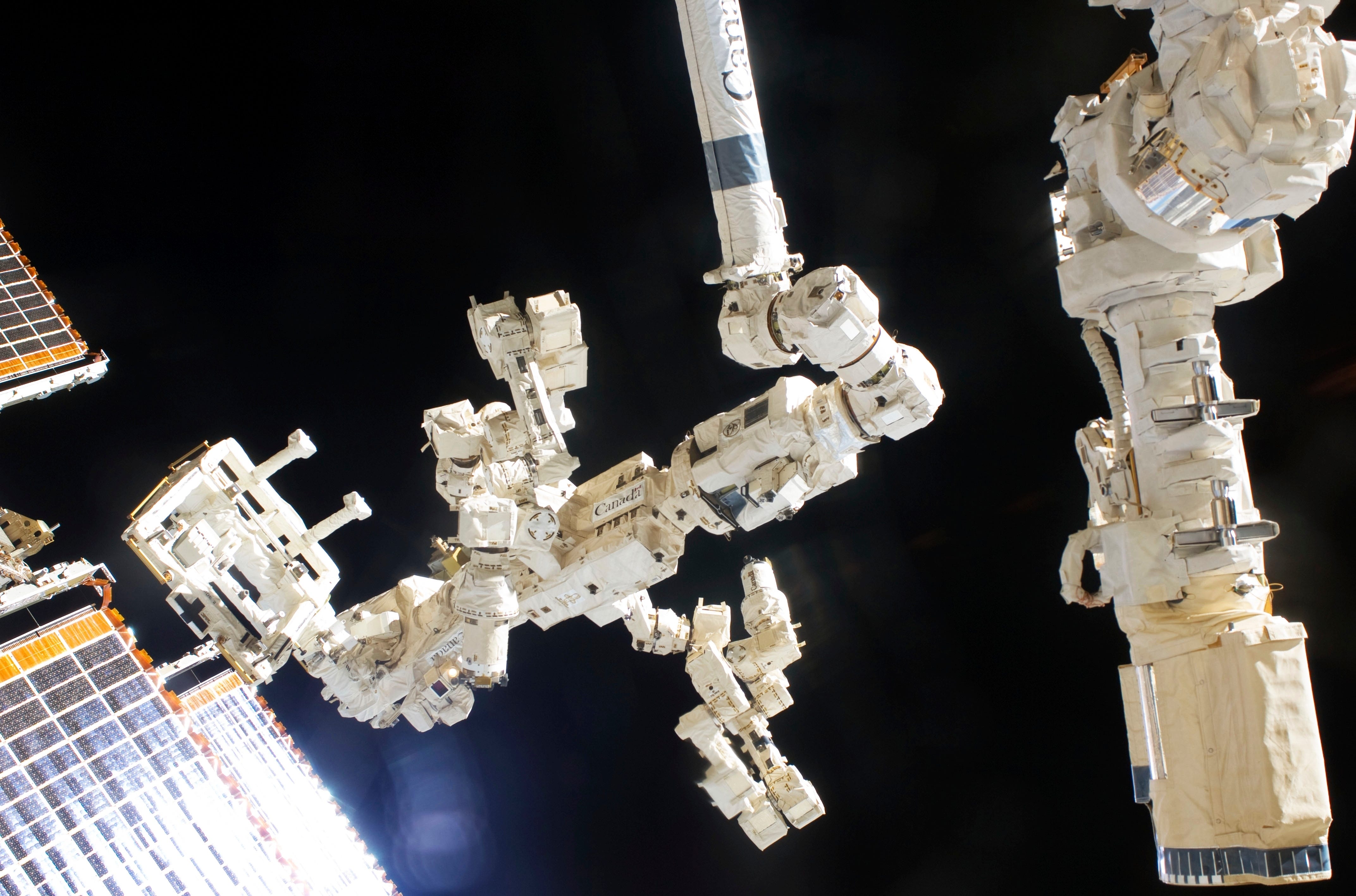
The trend: AI may be about to dramatically accelerate the industrialization of space, and the nation that leads in AI could act first and secure the frontier before rivals realize it’s too late.
The details:A new essay from AI Frontiers argues that AI will solve two key problems that have kept space industrialization firmly in the realm of science fiction so far: extreme conditions and supervision by human operators. AI will enable spacecraft to act autonomously, make them more resilient, and should lead to automated manufacturing from scratch in space. Getting to space first matters, as first movers and AI front-runners could build a large military and economic lead.
Why it matters: Compounding advantages fueled by AI may lead to a winner-take-all scenario, where rival nations are unable to gain any real footing in space and have no politically viable options for military escalation.
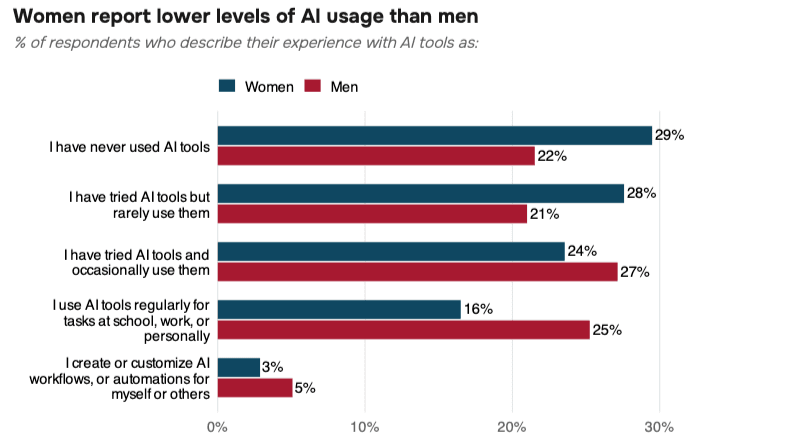
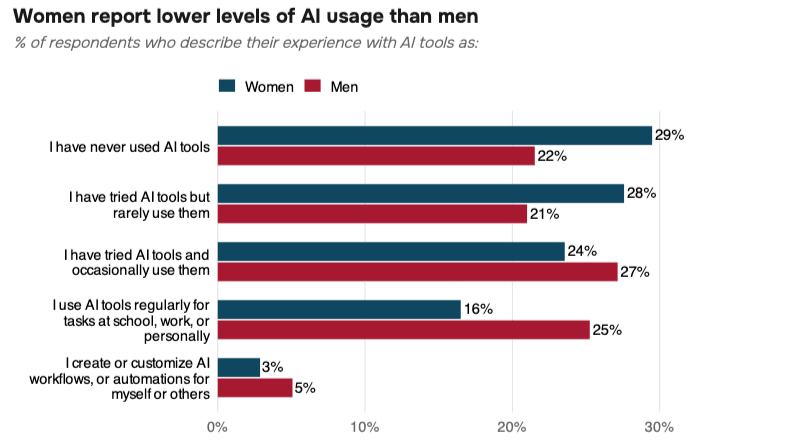
Harvard researchers have mapped out how Americans use AI, and found a wide gap not just in workplace usage but in AI development and news coverage too. 29% of women say they’ve never used AI compared to 22% of men, and at work 64% of women reported no AI training vs 49% of men. AI news headlines also mentioned men 14.6x more often than women, with men cited as experts in the field 4.3x more often. Trust in AI is low across the board but lower among women, who are more concerned and anxious about AI, while men are curious and excited. With frontier labs pitching superintelligence for everybody, these gaps show there is still progress to be made before that can be a reality.
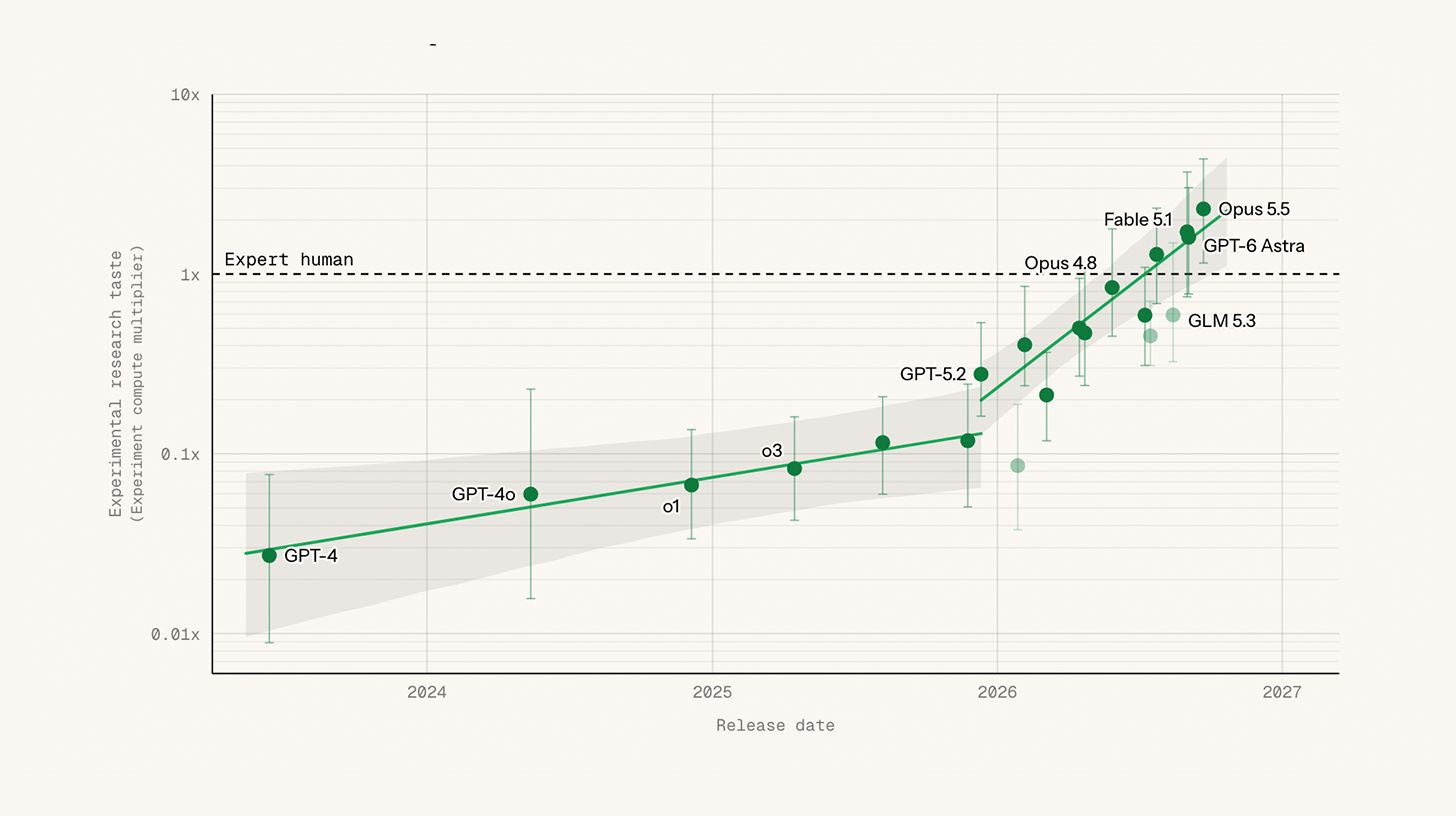
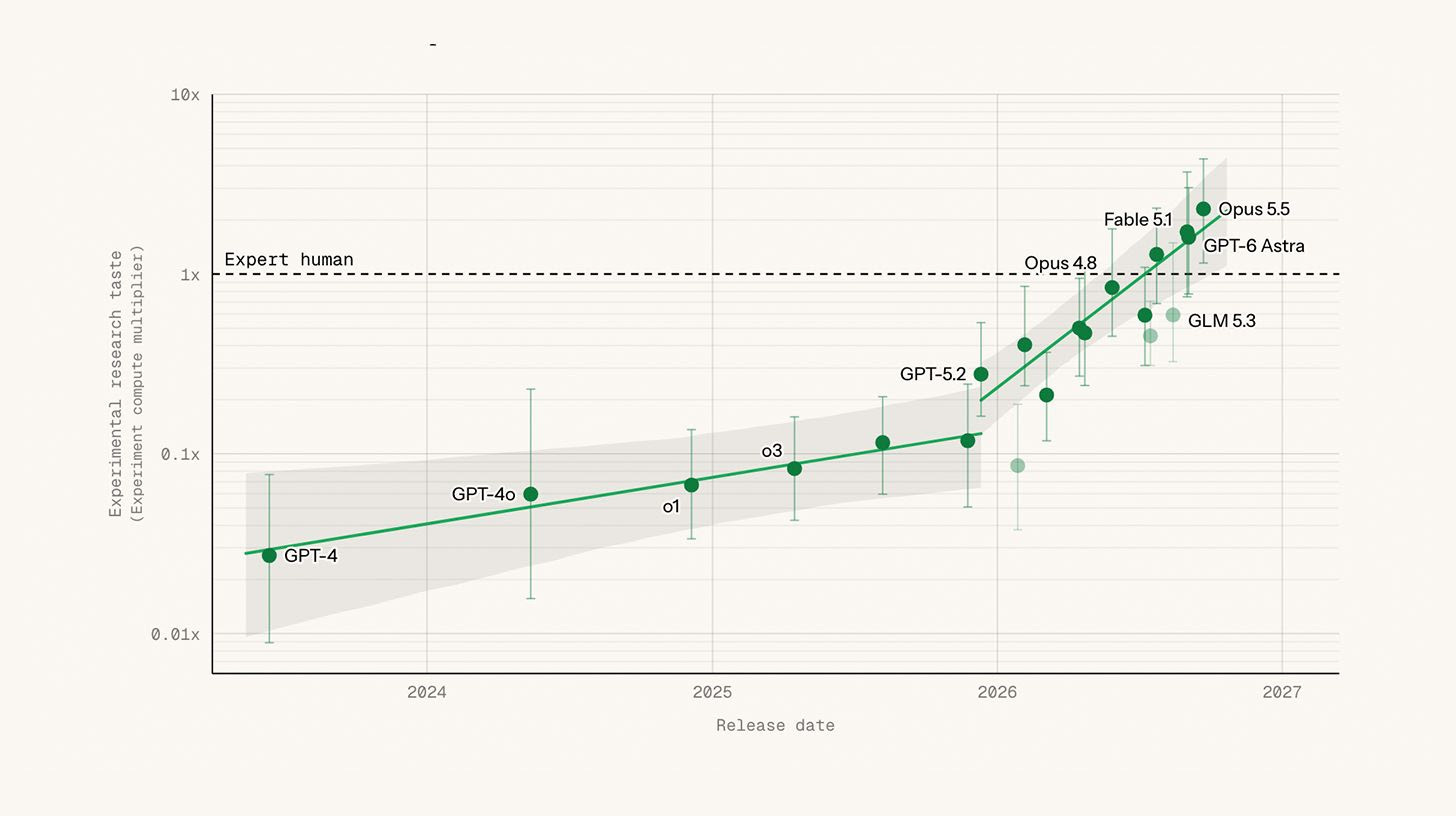
Anthropic co-founder Jack Clark now believes that AI will be capable of recursive self-improvement in 2027 rather than 2028, due to new work on model research instincts. P-Zero Research’s TasteVal benchmark measures how well a model iteratively designs experiments and draws conclusions from their outcomes. Models have doubled their taste scores every 3 months in the past year and the best model (Opus 5.5) significantly exceeds the human baseline at 1/30 the cost. Clark believes that the creativity displayed in this benchmark is a key variable for models being able to improve themselves without human interaction, and has shortened his timeline for full RSI by a year.