This week we’re asking two questions: what are you actually getting for your AI spend, and what does AI need from you to deliver it? We look at OpenAI’s attempt to change how companies measure the value of AI, its first hardware product, and how much electricity data centers really consume and why where that power comes from matters more than the total.
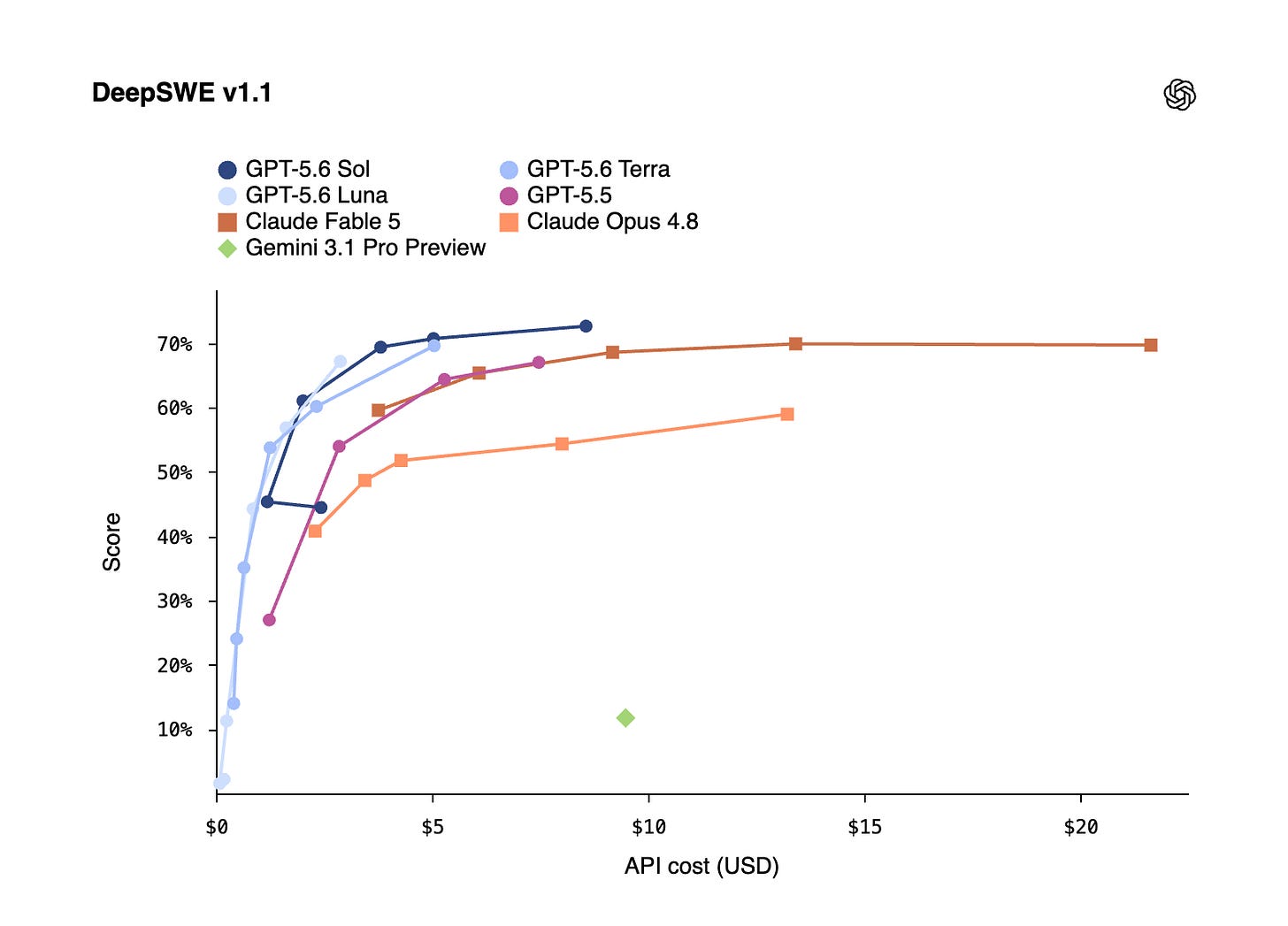
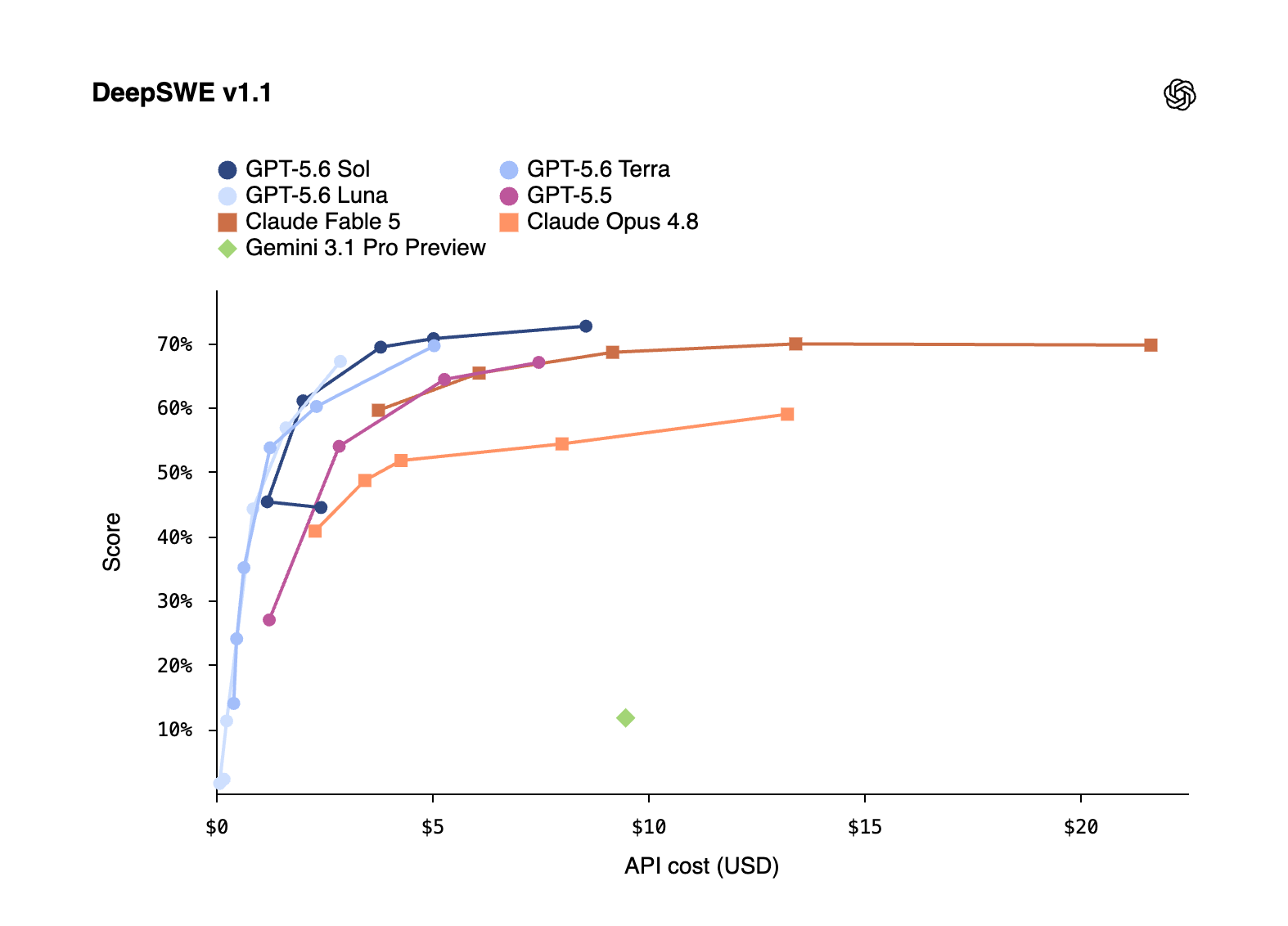
The trend:OpenAI published a "scorecard" for grading corporate AI spending, arguing that "useful intelligence per dollar" should replace per-token pricing as the way companies measure the value of AI, coincidentally just as many users look to cut costs by switching to cheaper models.
The details: The scorecard ranks reliability, useful output, scale, and total cost, letting teams compare models without treating tokens as the product being bought. OpenAI used the DeepSWE coding benchmark, where its Sol model scored 2.8 points above Fable 5 while running up a 36.2% cheaper API bill.
Why it matters: The “tokenmaxxing” craze is clearly over, as companies look to reign in ballooning AI budgets, and OpenAI are trying to reframe the entire cost question. Their idea is that raw token cost tells you a lot less than what you get back per token spent, and that your outputs (their “useful intelligence per dollar metric) is should be how you be judging spending.
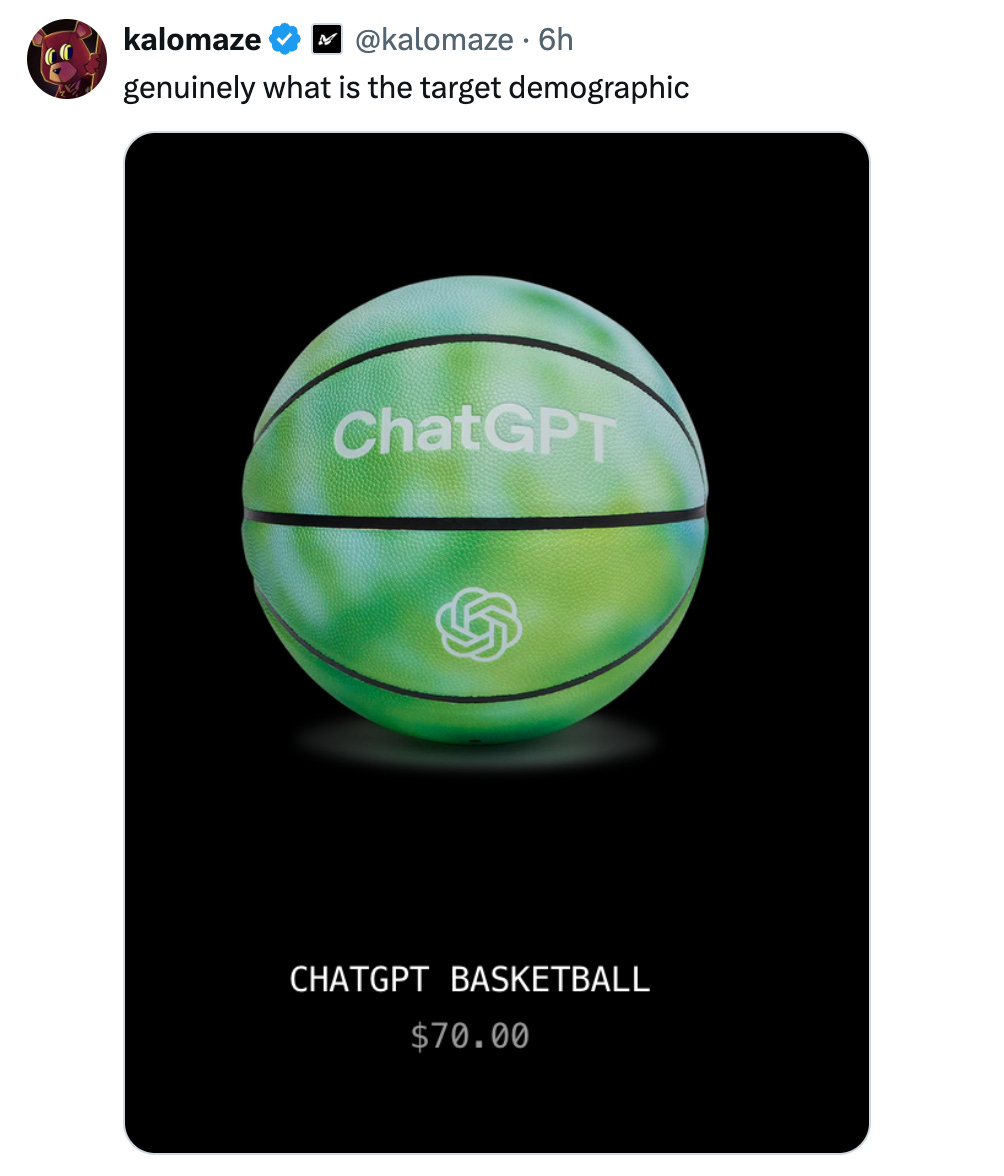
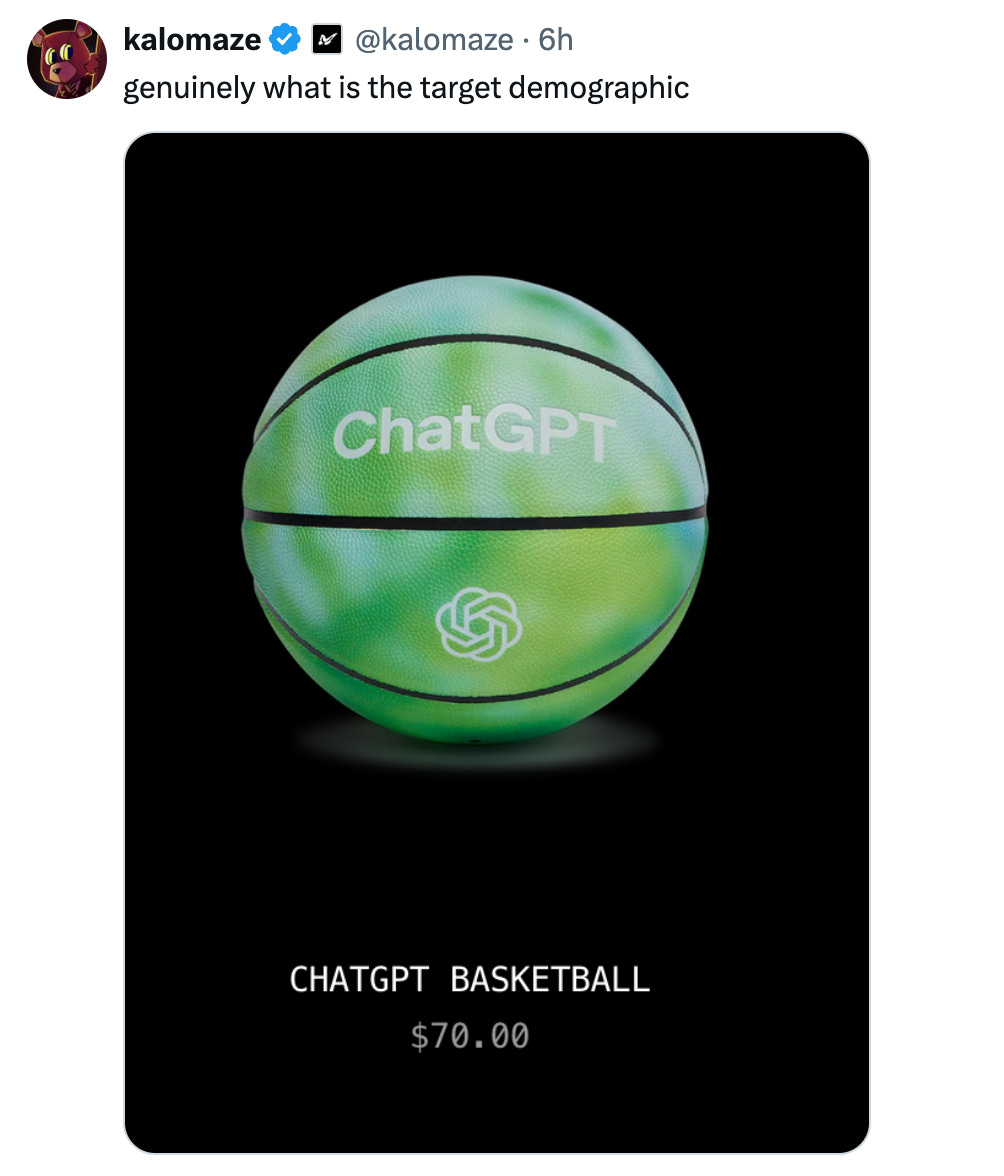
The details: The battery-powered device can be carried room to room, control smart-home appliances, play media, and answer questions, all powered by a more advanced version of ChatGPT's voice mode. Its defining feature is meant to be personality: it includes mechanical parts that move on their own to feel "alive," and draws on personal data like emails to understand its owner and act proactively over time.
Why it matters: A device that knows you well enough to anticipate your needs only works if it has your personal data. The more these devices promise, the more of your life they need access to, and the more it matters who controls that data and how. An AI assistant is only as good as the information underneath it, which is the same reason the data layer, not the voice on top, is where the real value and the real risk sit.
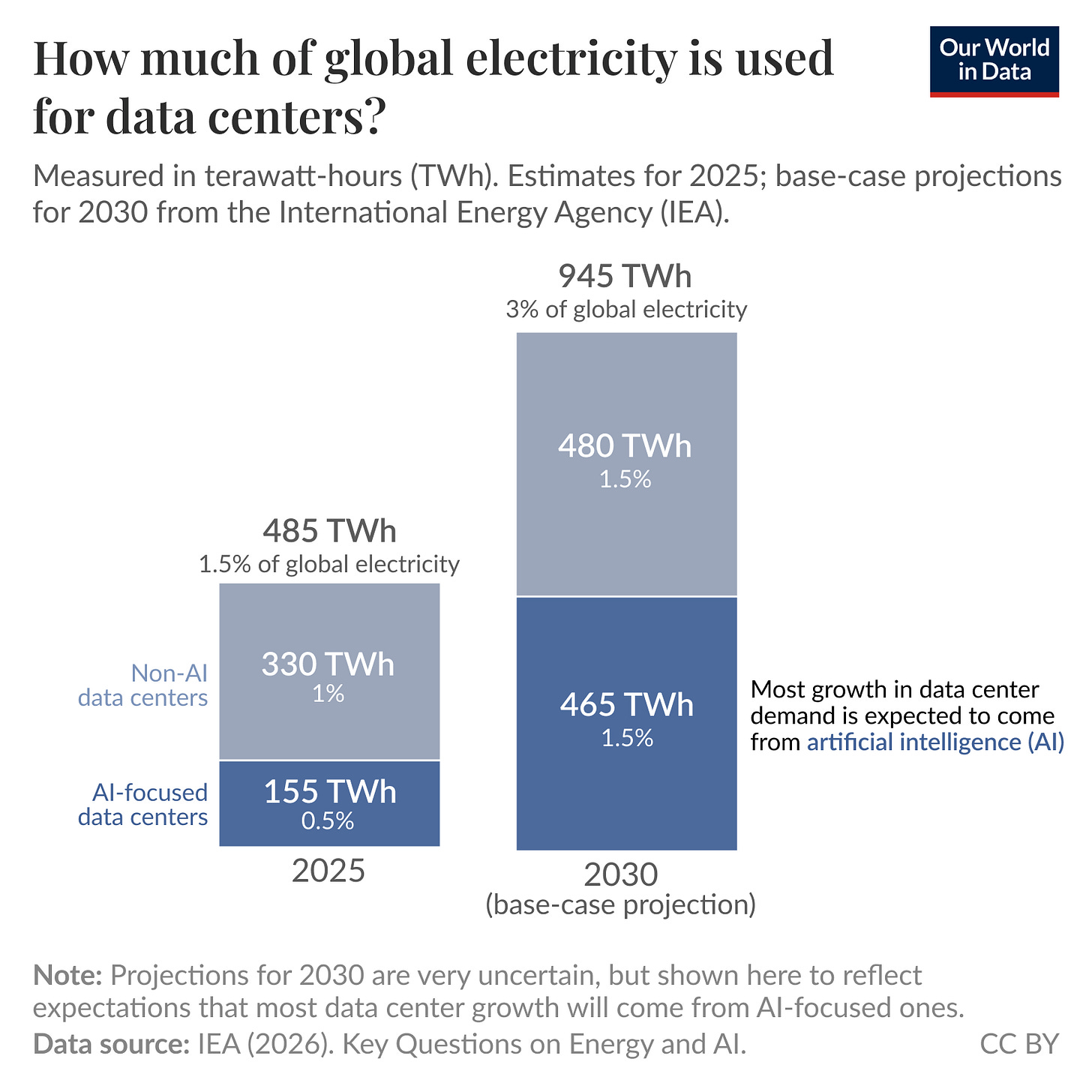
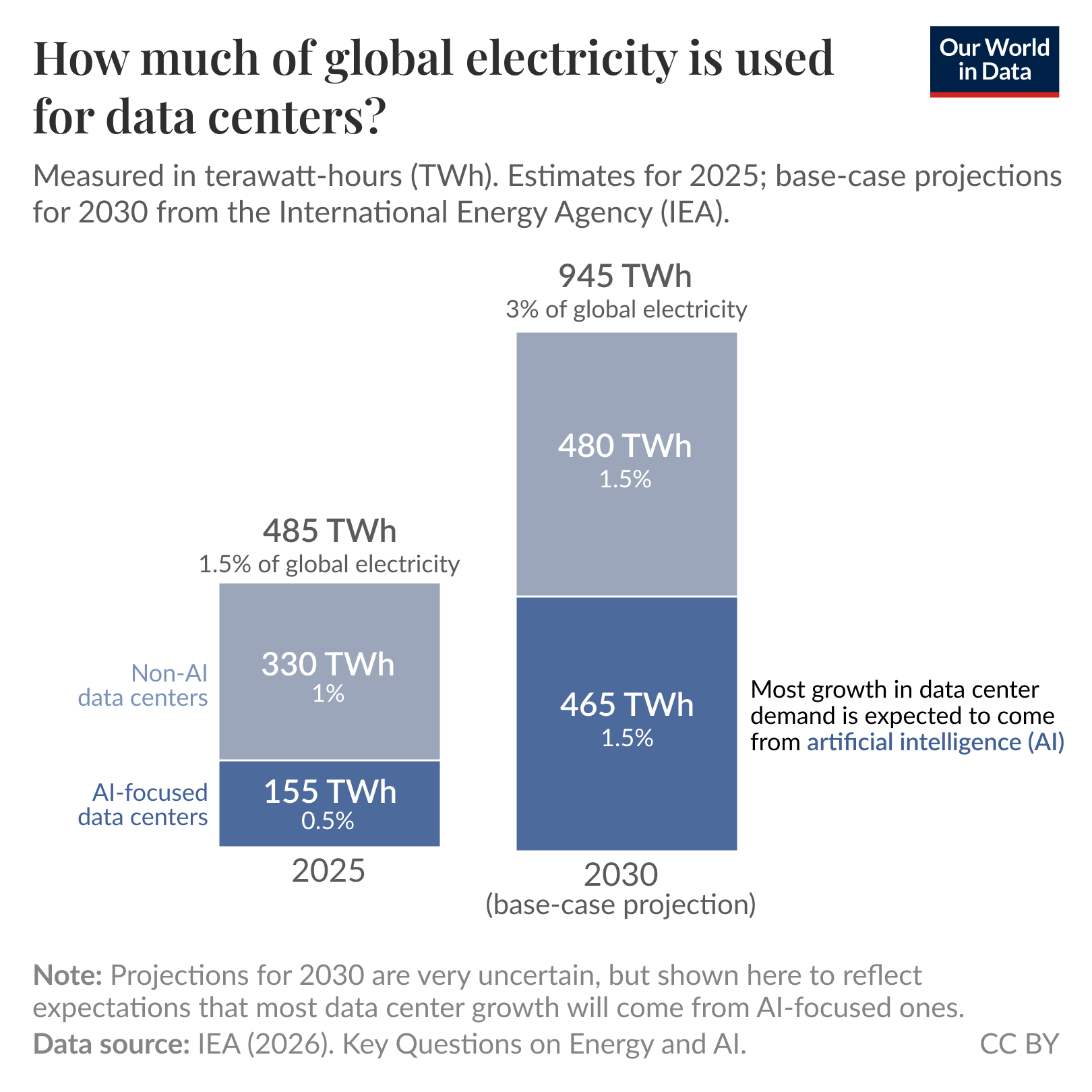
Data centers as a whole consumed around 485 terawatt-hours in 2025, roughly 1.5% of global electricity, with AI-specific facilities accounting for about a third of that, or an estimated 0.5% of the world’s electricity. Individual queries are tiny: a typical text query to ChatGPT, Gemini, or Claude uses around 0.3 watt-hours, about what a microwave draws in under a second, though longer agentic requests with reasoning can climb to 50 watt-hours. The real issue isn’t the global total but how concentrated the demand is. Data centers already account for more than 20% of Ireland’s electricity and over 25% of Virginia’s. Our World in Data argue that how that electricity is generated matters more than how much is used, since a query on a coal-heavy grid carries a far bigger footprint than one running on renewables or nuclear.
A new Bloomberg survey of 500 London finance workers shows just how far AI has embedded itself into day-to-day finance work. 88% use AI tools daily or weekly, and 85% believe AI skills will soon matter more than traditional ones for career progression, while 69% think colleagues who resist developing them have no place at their firm. Interestingly, 90% say AI has boosted their productivity but nearly three-quarters say it hasn’t actually reduced their workload, with over half using the freed-up time on higher-value work like strategy and client relationships. However there are limits on where AI should operate alone: 51% say risk and compliance is where human oversight matters most.
BrainCo showcases brain-controlled robot, where a user wearing an EEG headset thought about reaching out and picking up an object, and the robot performed the task











%201.svg)
