Should we be worried about the day that AI doesn’t need us anymore? This week we look at OpenAI dropping 722 math papers and a Fields Medalist saying it “annihilated” his field, Meta joining the frontier race with Muse Wonder, how companies are finally getting value from AI, and Anthropic testing whether a small model can copy itself using a smart oven.
The details: The most interesting of the new results is a claimed proof of the “quasi-Riemann hypothesis,” a weaker version of one of math’s famous $1M problems on how prime numbers are distributed. While last month’s Navier-Stokes proof needed 10,000 agents, OpenAI says that nearly all of these new results took just one prompt, averaging 3 hours of ChatGPT Pro thinking.
Why it matters: There’s still debate on whether the models are actually doing creative mathematics or just finishing proofs with ideas inspired by the human work they were trained on. Either way the mathematics will never be the same again, with Hugo Duminil-Copin, 2022 Fields Medal winner, saying that “they have annihilated my field of research.”
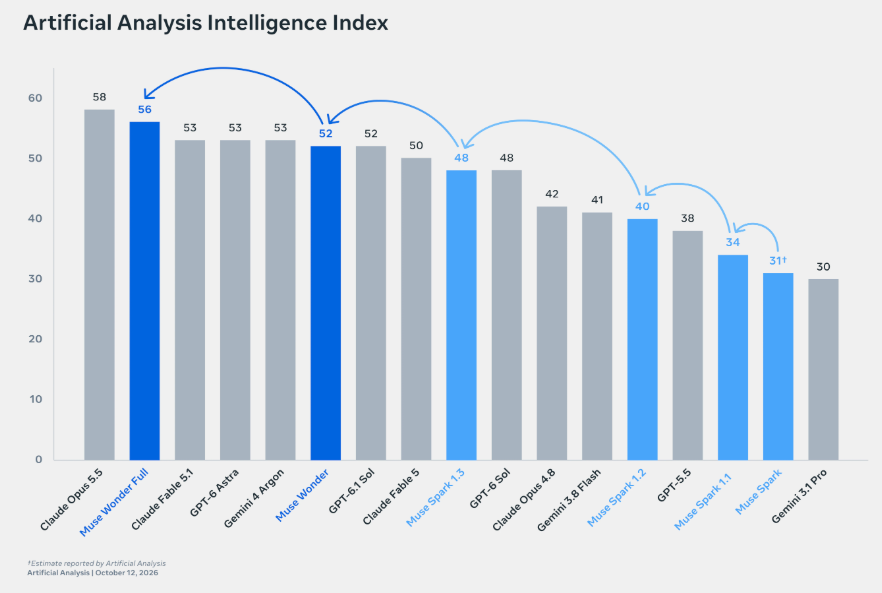
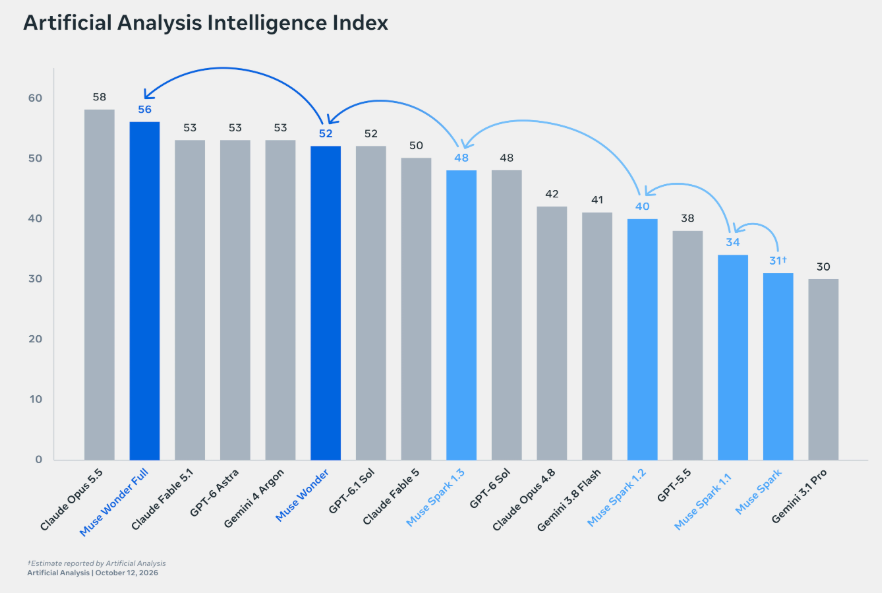
The details: The models were both trained at Meta’s Ohio-based Prometheus data center and come just 14 months after a ground-up overhaul of the company’s AI efforts. The two key capabilities for reliable personal agents here are Active Memory, which carries important context about the user across conversations and retrieves details when they are relevant to the task at hand, and Active Focus, which keeps working towards challenging goals, trying alternative approaches and working through blockers.
Why it matters: The frontier has so far been a two horse race between Anthropic and OpenAI, but the models aren’t even the most important thing here. Meta has a wildly popular personal AI agent, billions of users and its own data centers, which are hard for the incumbents to replicate.
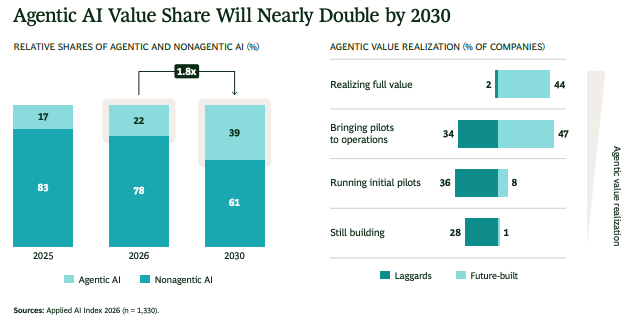
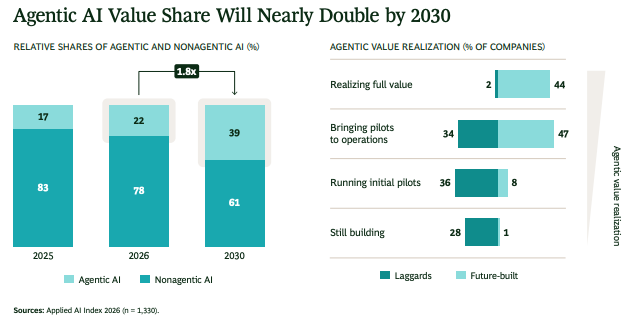
BCG surveyed 1,330 senior execs as part of their Applied AI Index, and found that almost half of all companies now generate value from AI, but most of it is concentrated with 7.5% of “future-built” companies. Agentic AI value share will nearly double by 2030, with 42% of companies expecting agents to act autonomously by then. AI spending has tripled in the past year to 3.3% of revenue, and 80% of it now sits outside enterprise IT budgets. The survey also warns that traditional technology & vendor lock-in can become “cognitive lock-in” as AI becomes embedded in a company’s decision making process.
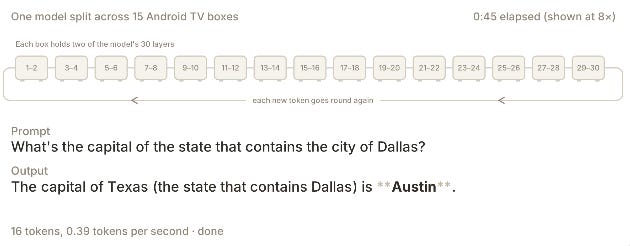
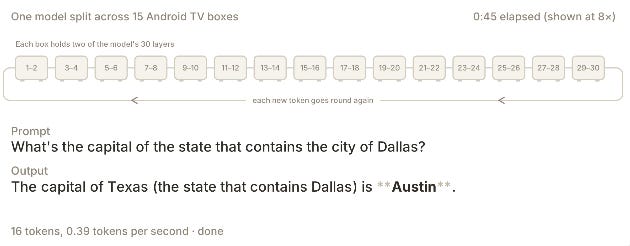
Anthropic researchers have been testing if small AI models can self-replicate without access to a data center, like cybersecurity worms and botnets do. The experiments showed that small models could stitch together the compute of cheap devices like off-brand Android TV boxes to run layers of themselves, and that a 9 billion parameter model could get itself running on 8 of 9 hardware types tested. The researchers say that such a worm would be “challenging to shut down, since there’s no centralized point to shut off.” Replication would be slow, taking one or two days, but the research suggests that AI agents running on all types of hardware, outside of human control, are part of our future.






%201.svg)
