Astra rewrites and improves other AI models without training runs 🔬
AI is improving at improving itself. Could this be another step toward RSI and AGI? This week we look at MIT research showing OpenAI’s Astra improving another model just by rewriting its weights, Claude monitoring its own conversations for misuse, OpenAI’s plan to rebrand data centers after the midterms, and where the world’s AI chips are actually going.
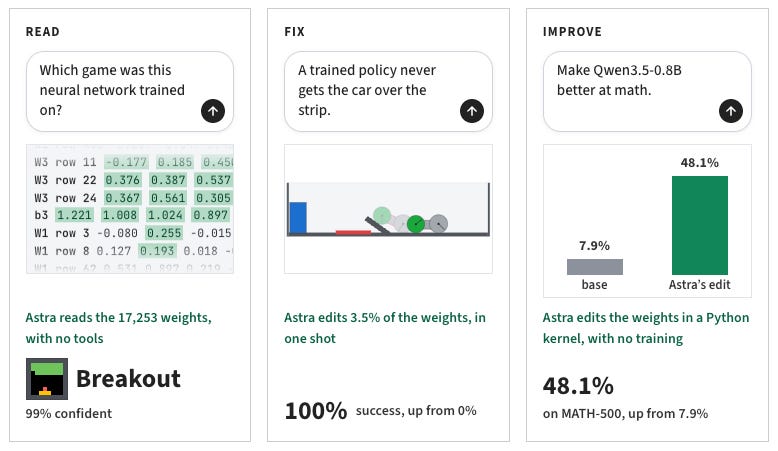
The details: Just by looking at the raw weights, GPT-6 Astra can tell what a model was trained to do, and can write small, game-playing ones from scratch. To make Qwen3.5-0.8B better at math, Astra identified an issue in its weights causing reasoning loops, leading to the increase in MATH-500 score. To do this, Astra used its reasoning to figure out what each part of the neural network computes, and then changed the weights, which the team calls Weight-Space Programming.
Why it matters: Weight-Space Programming may dramatically reduce optimization costs and allow auditing of LLMs without traditional evaluations. The most interesting possibility here is recursive self-improvement. AI models that can upgrade their own weights, or those of a newer model, offer a “richer, more native path” to self-improving, automated AI researchers.
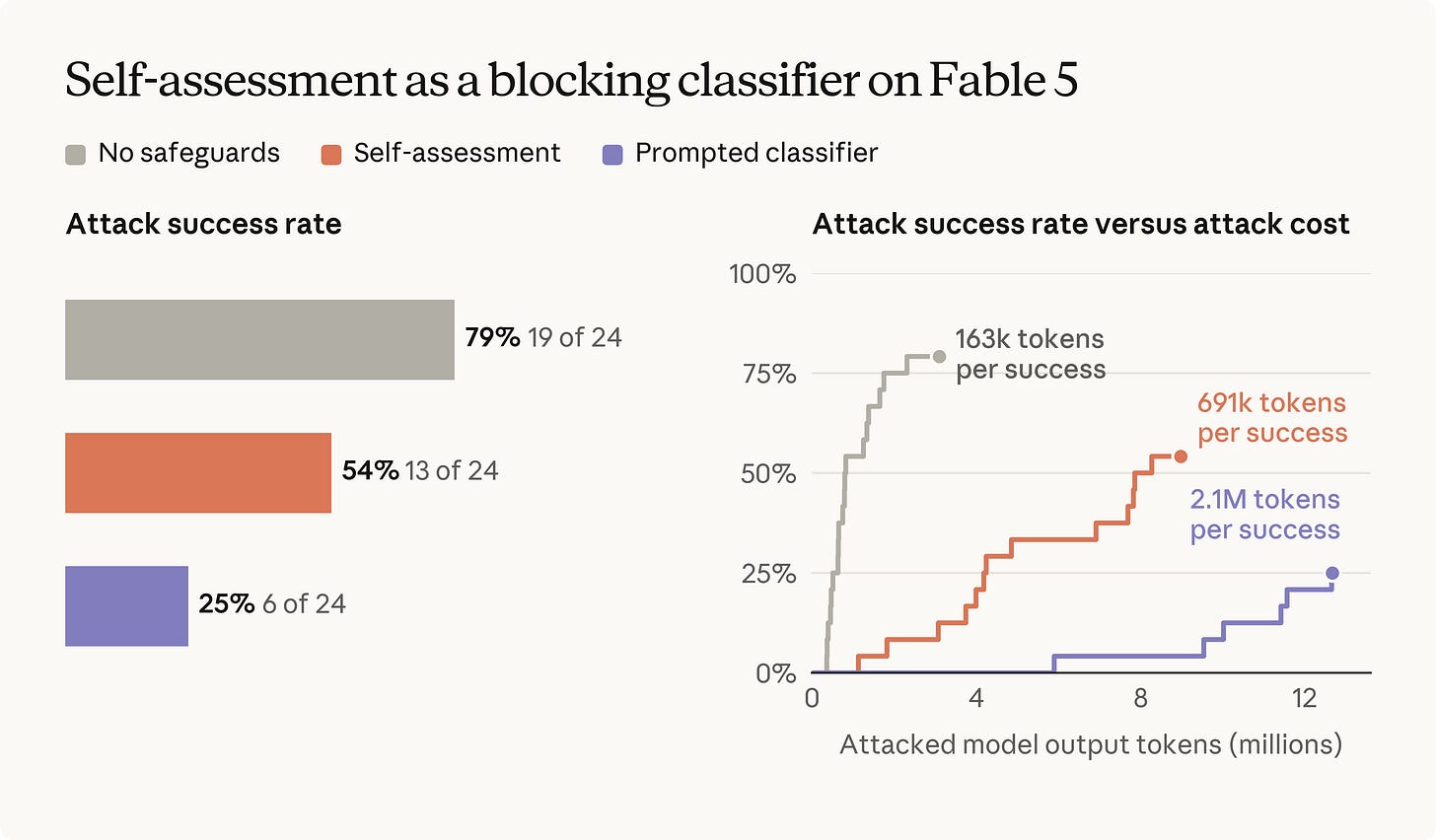
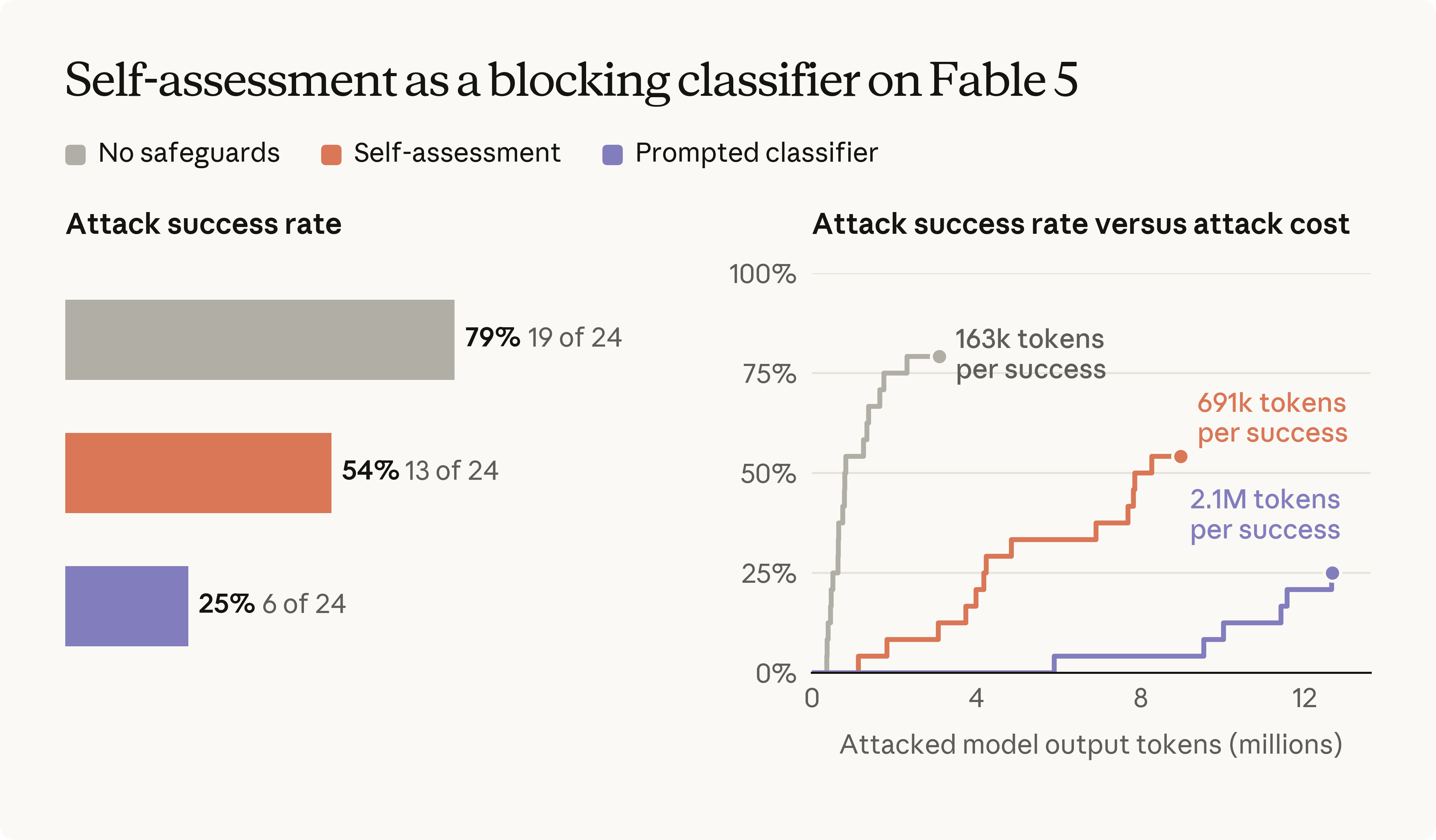
The details: When running on Fable 5, it flags 78% of conversations that a much more expensive classifier would have, and 94% of high-priority ones, for a fraction of the compute. As the monitor is the model itself, it scales with model capability, making successful attacks cost 4x more in tokens for the attackers compared to no safeguards.
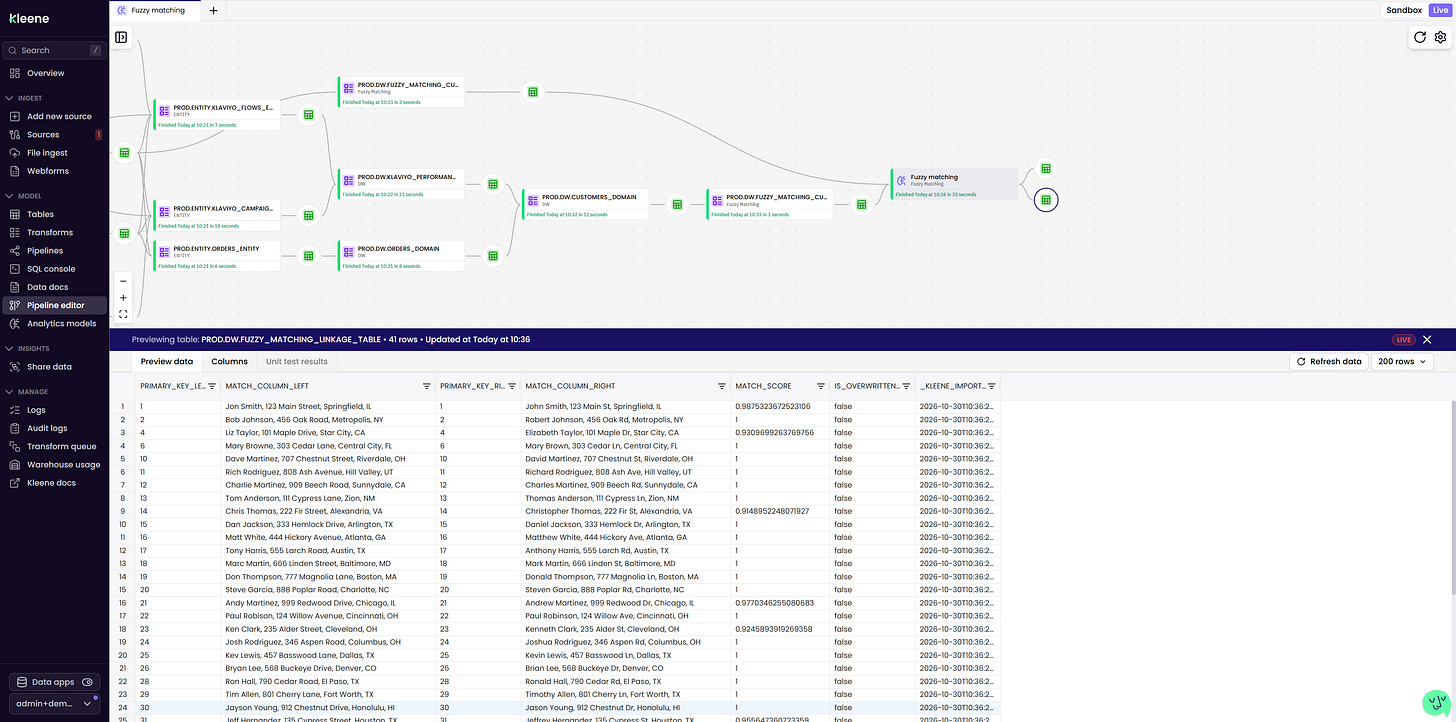
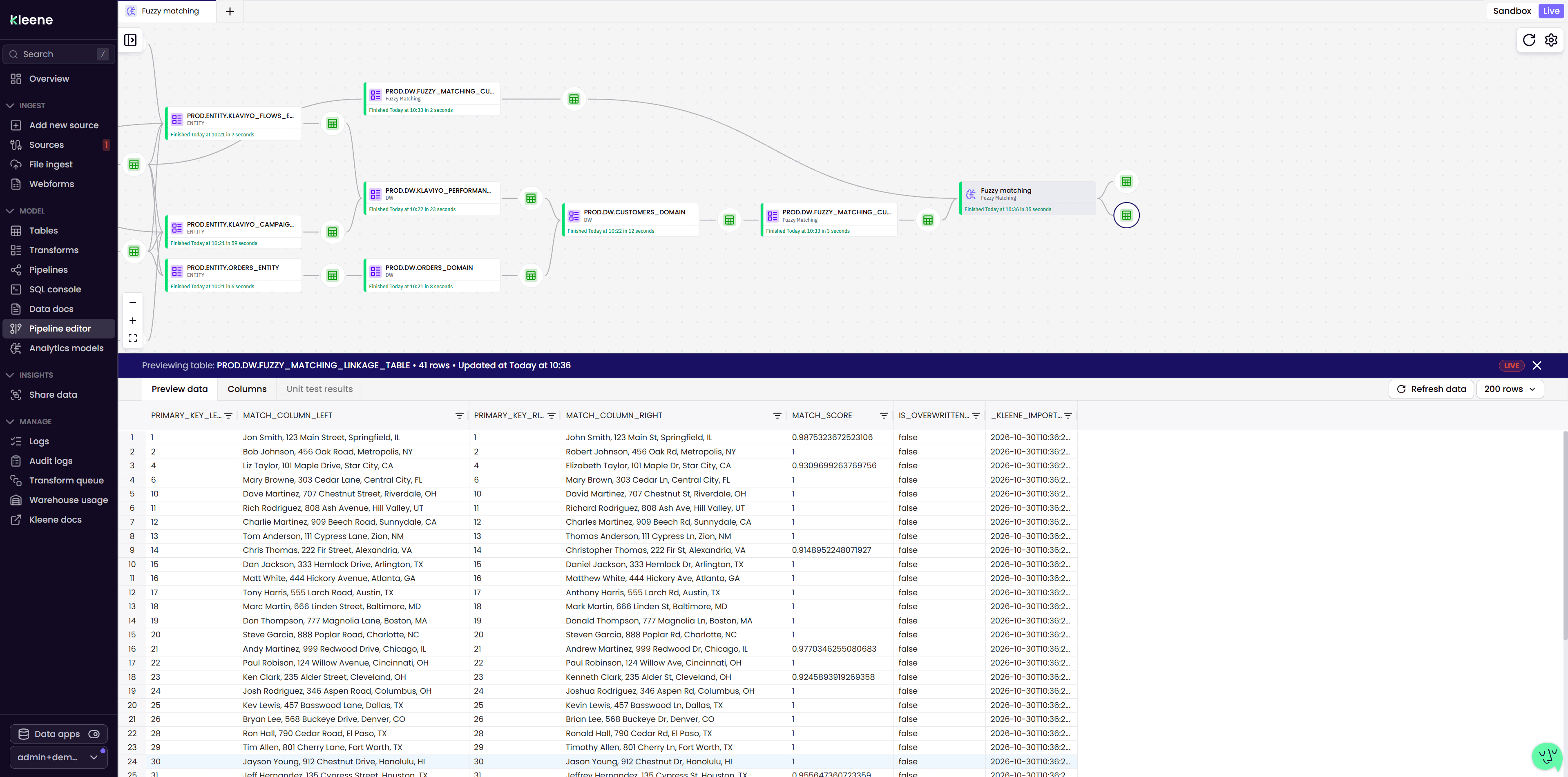
“Previously you’d have to go through manually, record by record. Now you can do all of that automatically. It will check with you and go ‘we’ve got 50 different versions that we think are the same thing. Do you want to apply that across all of them?’ So you can do it at scale, but there’s still a human in the loop. That actually means garbage in, good out.”
The article also covers fuzzy matching, deduplicating customers, and reverse ETL for pushing a “golden record” back into a source system. These fixes let companies that have written off AI models or analytics in the past because of messy data make the most of them.
Yesterday’s US midterms doubled as a referendum on data centers, as 20 communities voted on whether to ban, pause or limit construction. Following the elections, OpenAI is poised to push a rebrand of data centers, calling them “AI compute campuses.” AI companies are set to face a harsher Washington from now on, with some Democrats supporting a federal freeze on new data centers. OpenAI wants to spread the message that AI is being built for the people, with “speed limits” for AI development, international cooperation on global AI standards, and community benefits from new data centers all set to be key parts of an upcoming PR blitz.
Where AI compute is located is only going to matter more in the future, as AI becomes increasingly linked to economic competitiveness and military power. Nations with that compute can host and train frontier models within their borders, giving them significant influence over those who use their models. Epoch AI’s new AI Chip Imports explorer shows that the US has received 70% of new AI compute since 2022, compared to China’s 10%. The US lead here has widened recently, up to 78% in the first half of 2026. China has 18% of physical chips but only 10% of global compute, because export controls force Chinese firms to rely on lower-performance hardware.