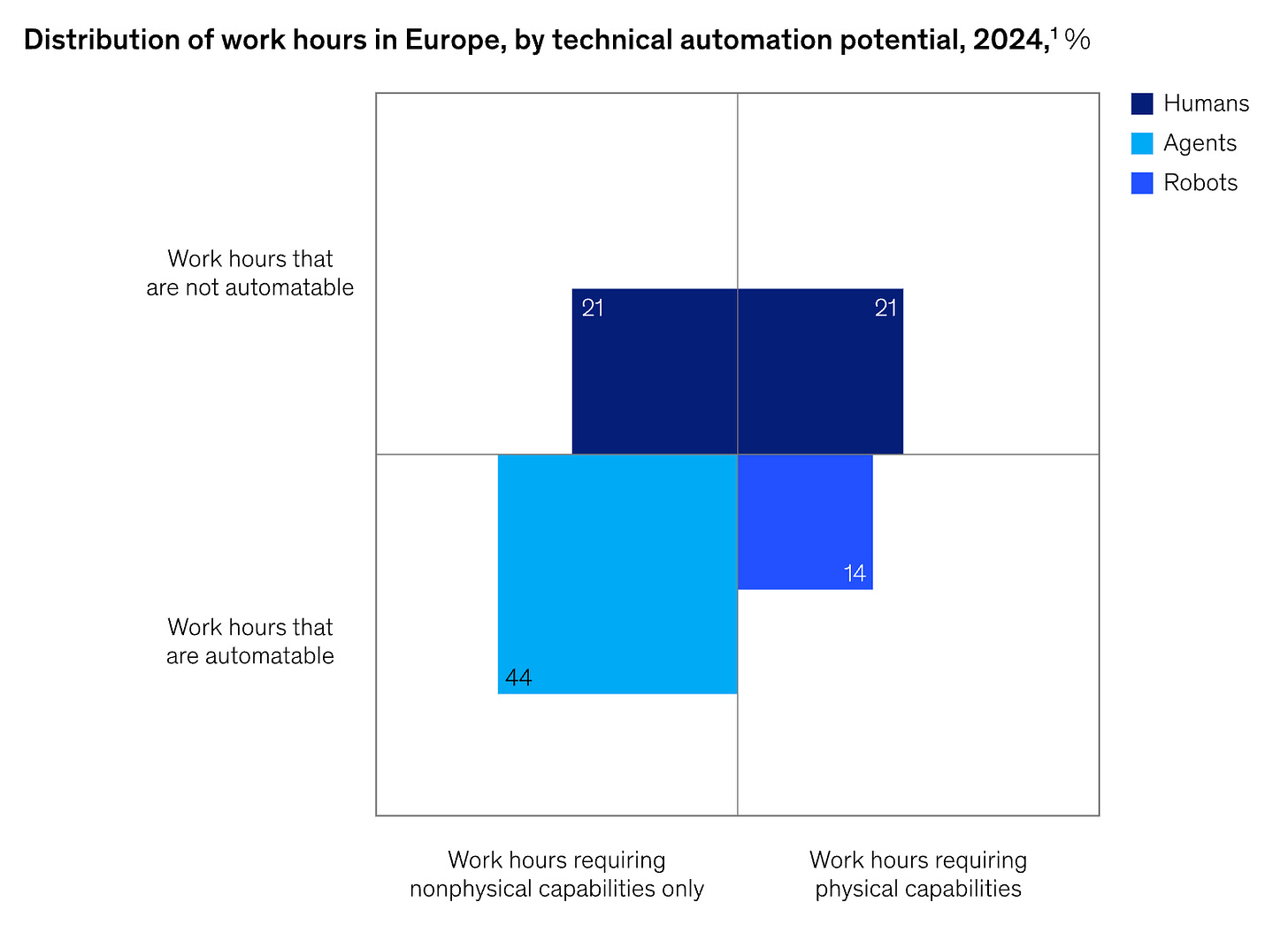
The difference between what AI could theoretically do and what companies are actually getting out of it has never been wider. This edition we look at why 60% of work is technically automatable yet almost nobody is seeing real returns, why the strongest AI agent teams are built from many different models rather than one, and what a new survey reveals about how skeptical Americans have become about AI even as they use it more than ever.
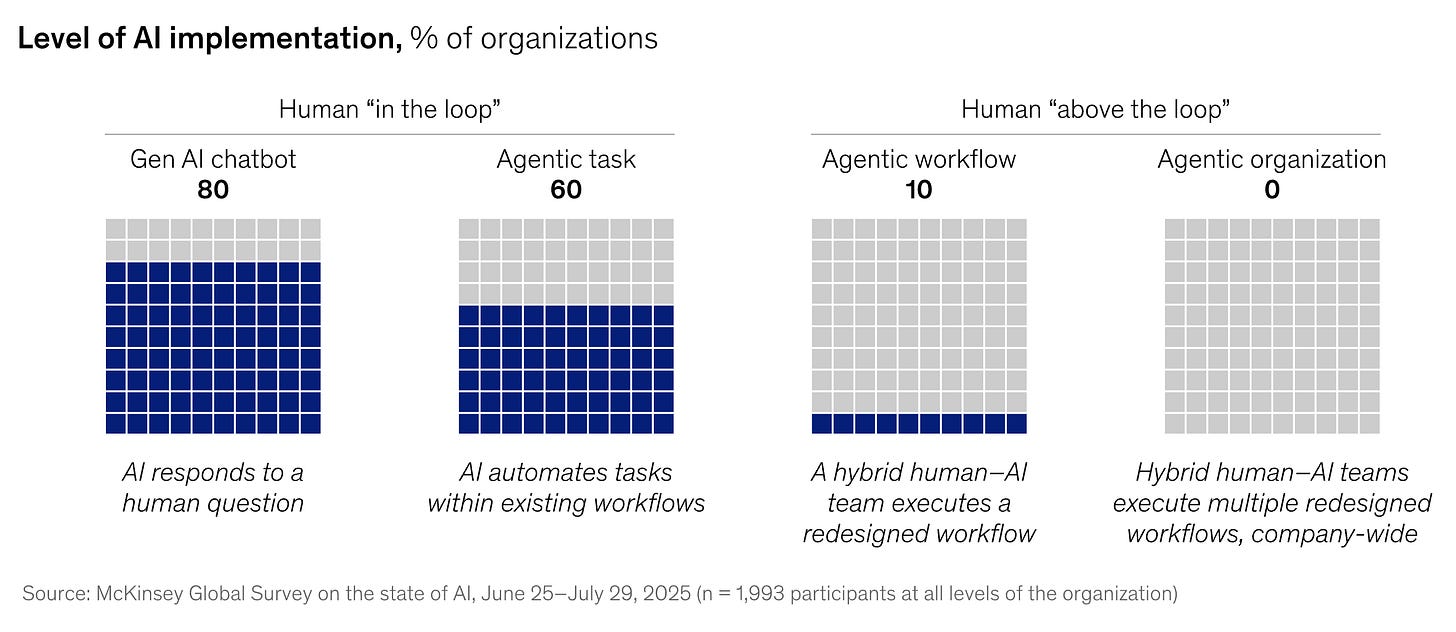
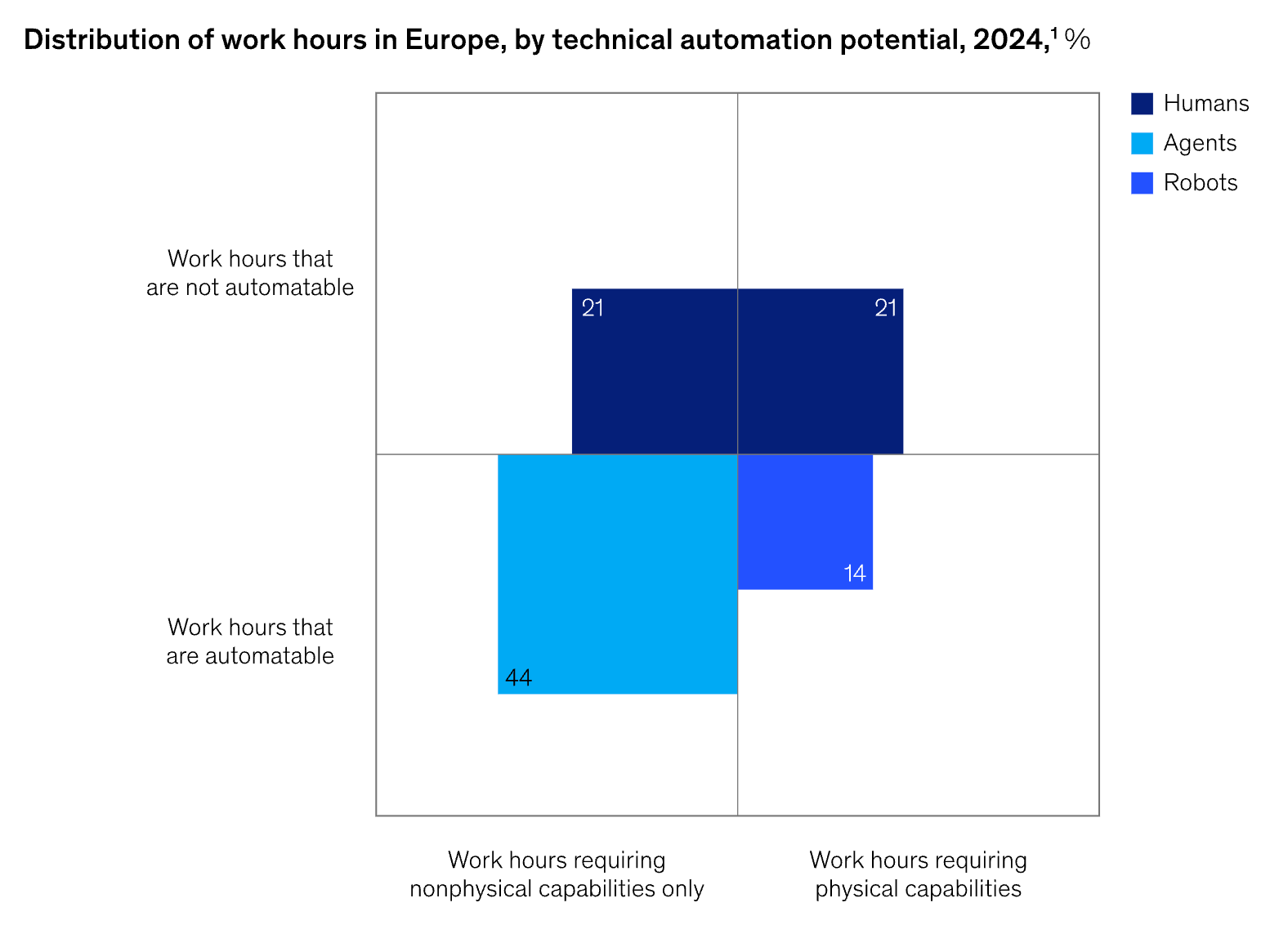
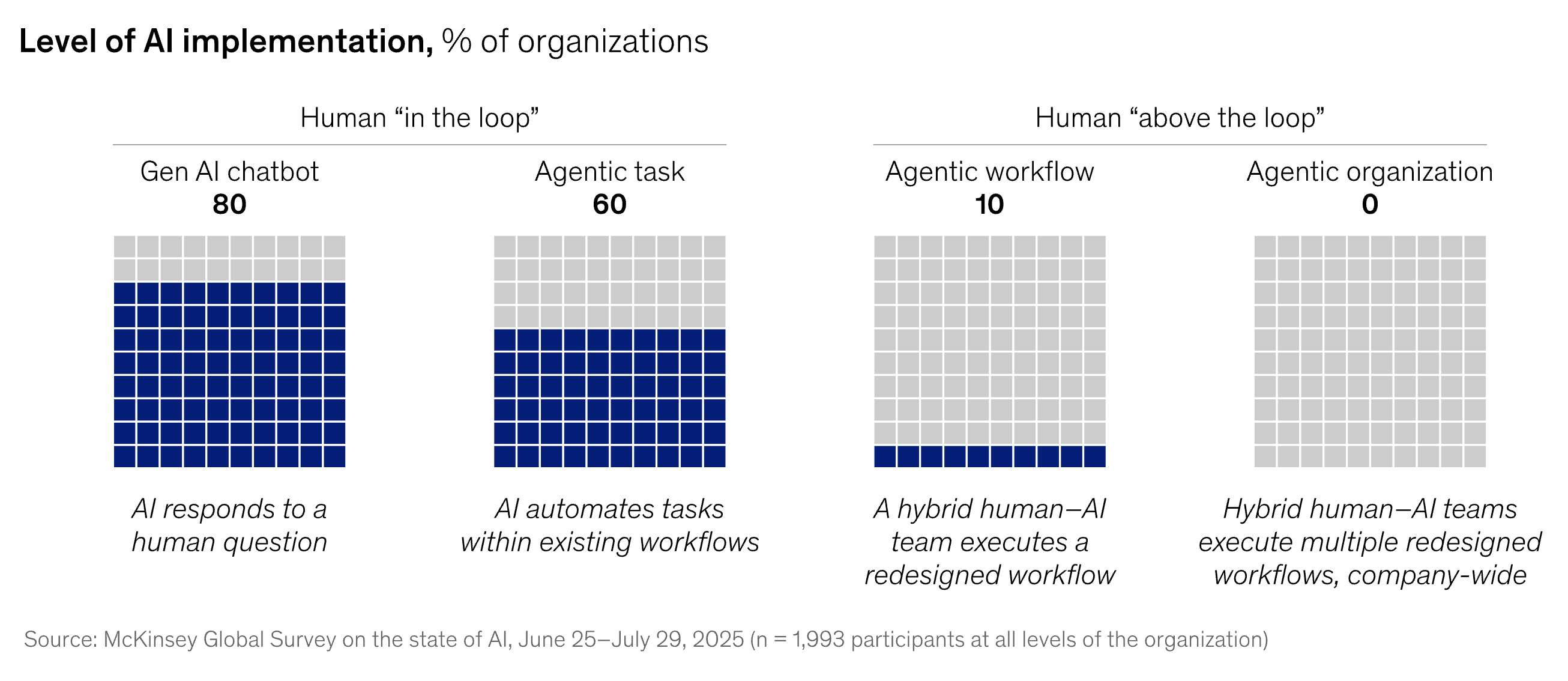
The details: Even though 60% of work hours could be automated, with humans, AI agents, and robots each handling work according to their strengths as part of a “symbiotic enterprise”, almost nobody is getting real value yet. More than 80% of companies have deployed AI, but fewer than 10% have scaled agents within any single function, and very few report meaningful financial impact because most are add AI to existing workflows rather than redesigning them. The companies seeing results, like a financial services firm running an “AI agent factory” with 40%+ productivity gains, totally rebuilt their processes from the ground up.
Why it matters: In a world where everyone has access to the same models, competitive advantage comes from your data, the company-specific know-how, and the learning loops built on top of them. This sounds a lot like what we’ve recently talked about: that the model is just the interface, your data and the intelligence built on it are the foundation, and the companies that own that layer are the ones that win in the long run.
The trend: New research finds that teams of AI agents built on different underlying models are 25% better at resolving complex problems than identical agents working alone, with one study showing two diverse agents can match or exceed the performance of 16 identical ones.
The details: A new HBR report argues that most enterprises are creating the illusion of diversity in their AI agents by giving them different personalities or tones, while running them all on the same foundation model. If every firm in a sector runs on the same models, they all develop the same blind spots at the same time. The fix is structural, not cosmetic, and starts with diversifying the actual stack, for example using one lab's model as the reasoning agent, another's as the evaluator, and a third's for generation, so their errors are less likely to line up.
Why it matters: Depending on a single model is a risk, not a convenience. The report even recommends a "model portfolio governance policy," capping how much of your critical AI decision-making can rely on any one vendor, the same way you'd manage concentration risk with any other supplier. Building a setup where you can route work across different models, rather than locking everything to one, is becoming a genuine competitive and resilience advantage.
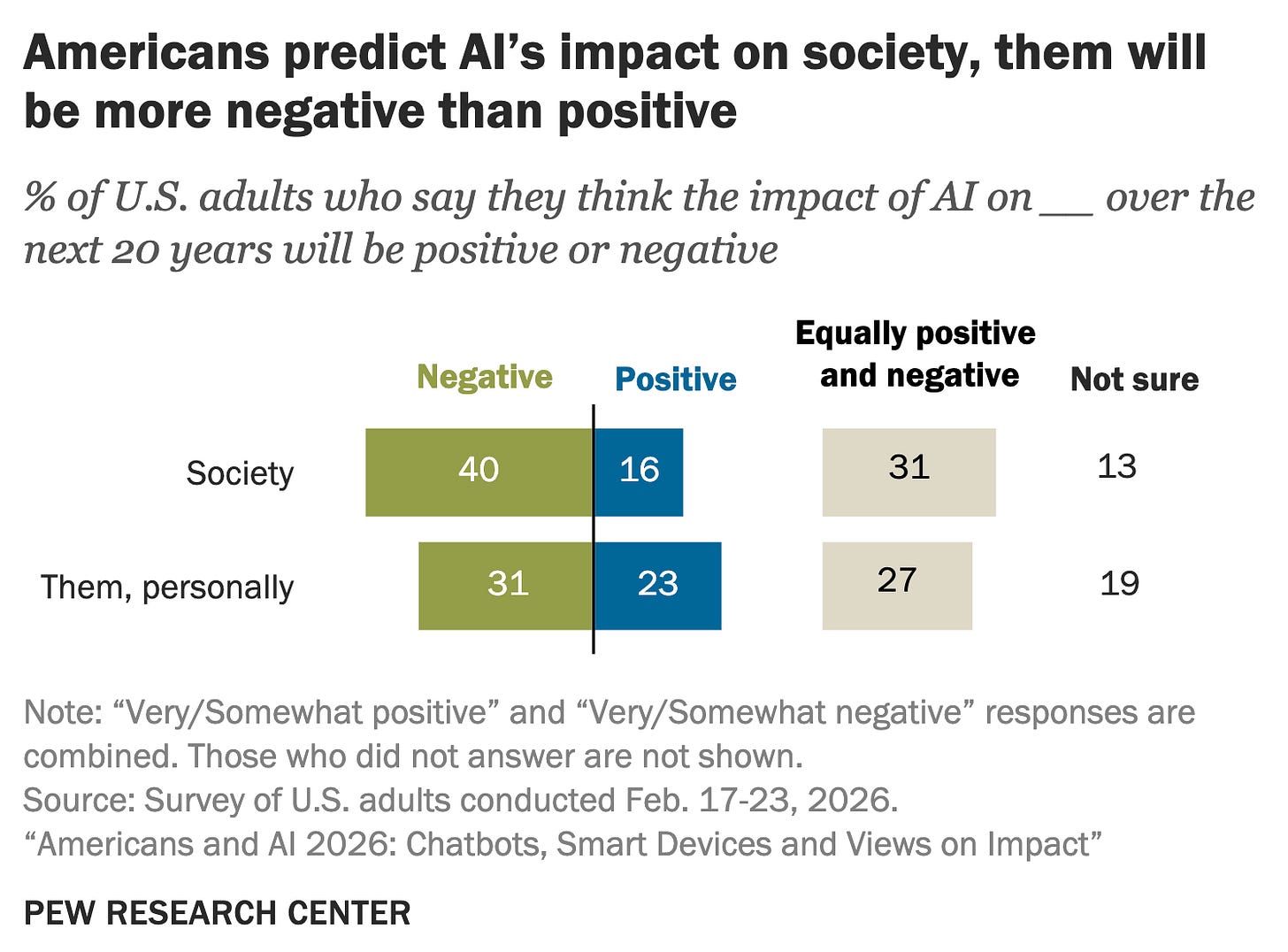
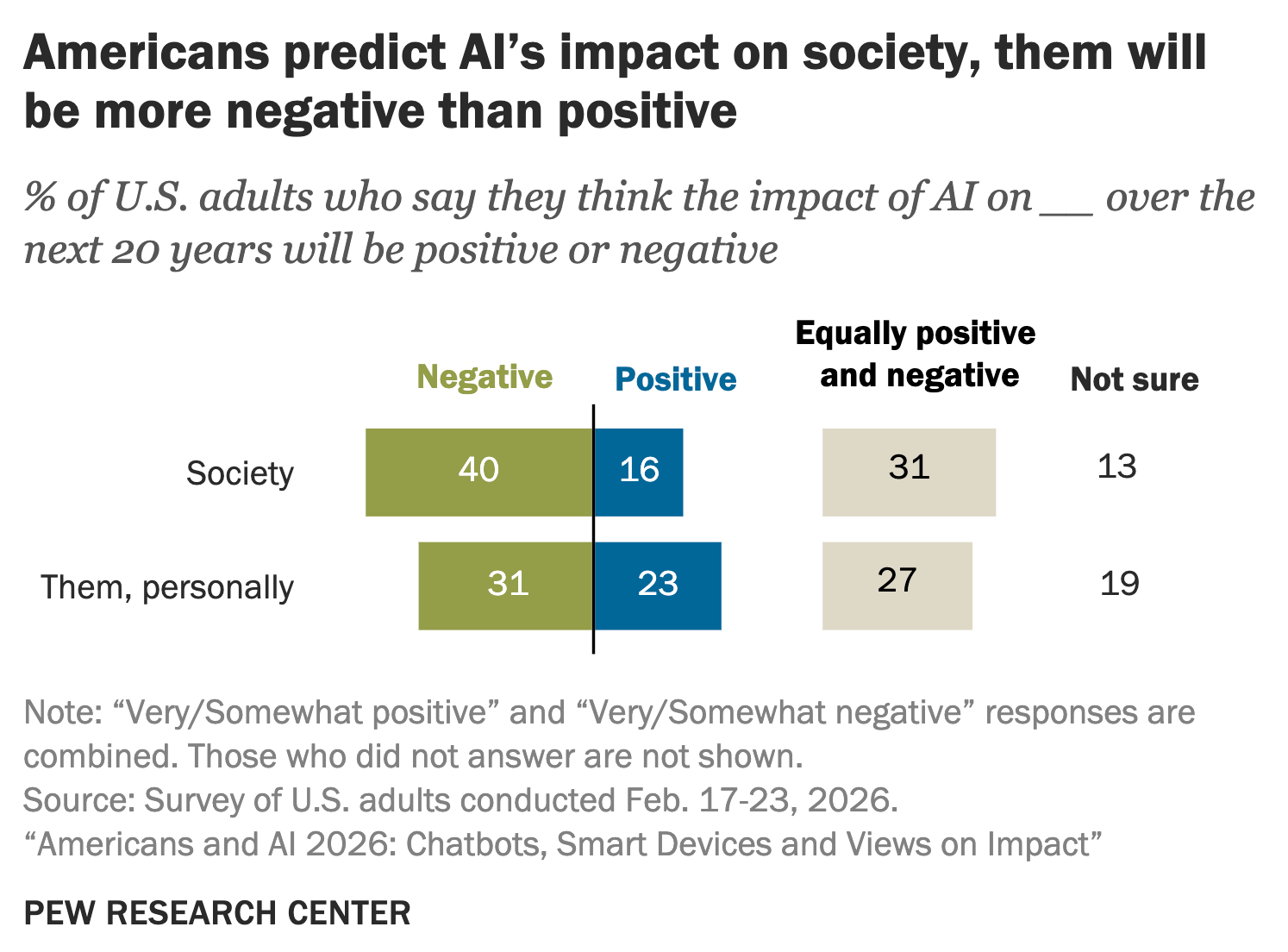
A new Pew Research survey of over 5,000 US adults found that about half now use AI chatbots, up from a third in 2024, with roughly a quarter using them daily. But adoption is not the same as enthusiasm. More Americans expect AI to harm rather than help society over the next 20 years and two-thirds think it's advancing too quickly. Trust in the institutions around AI is also low: 67% have little or no confidence in the government to regulate it effectively, and around six in ten doubt that companies will develop it responsibly. Notably, Democrats have become sharply more skeptical of government regulation over the past two years, with their lack of confidence rising 20 percentage points since 2024.
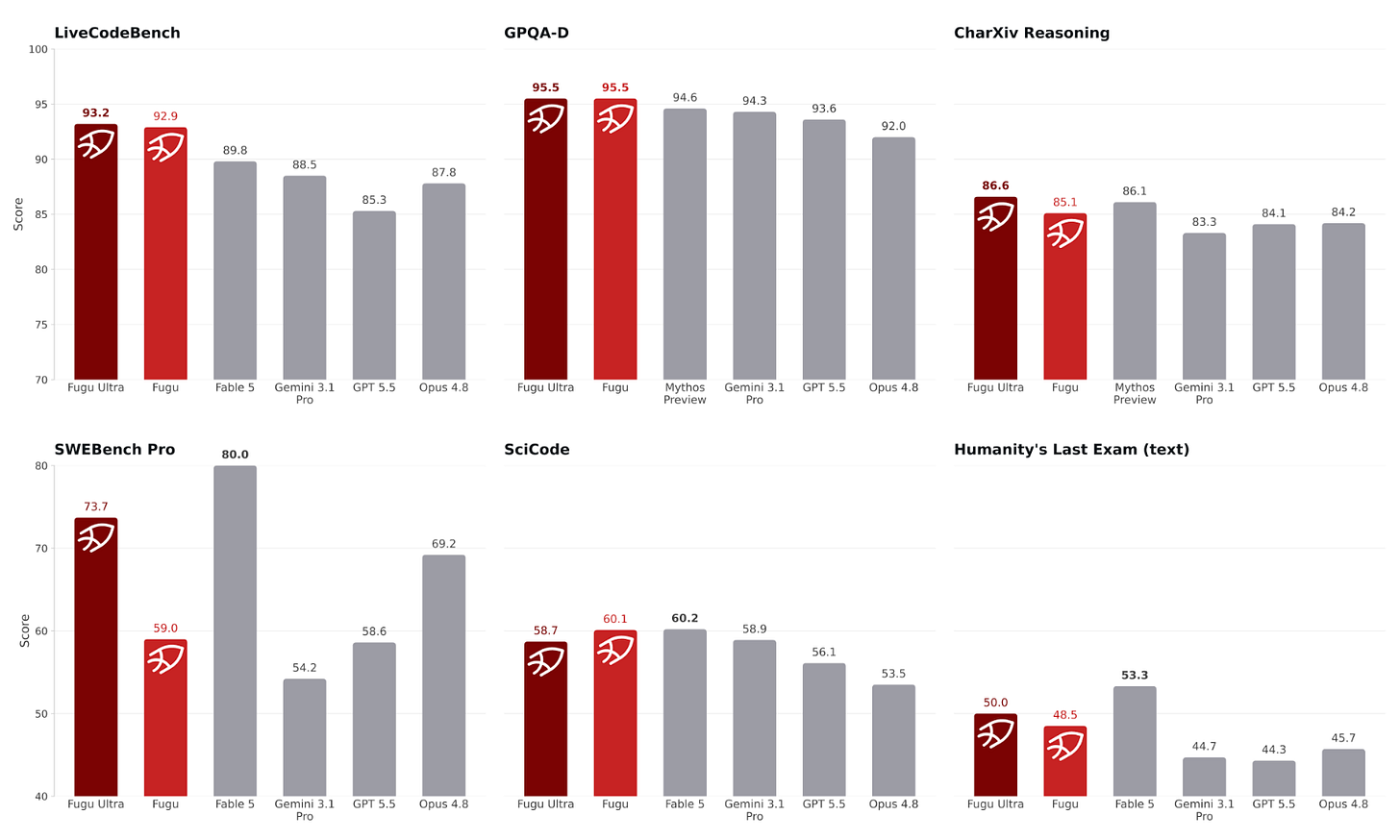
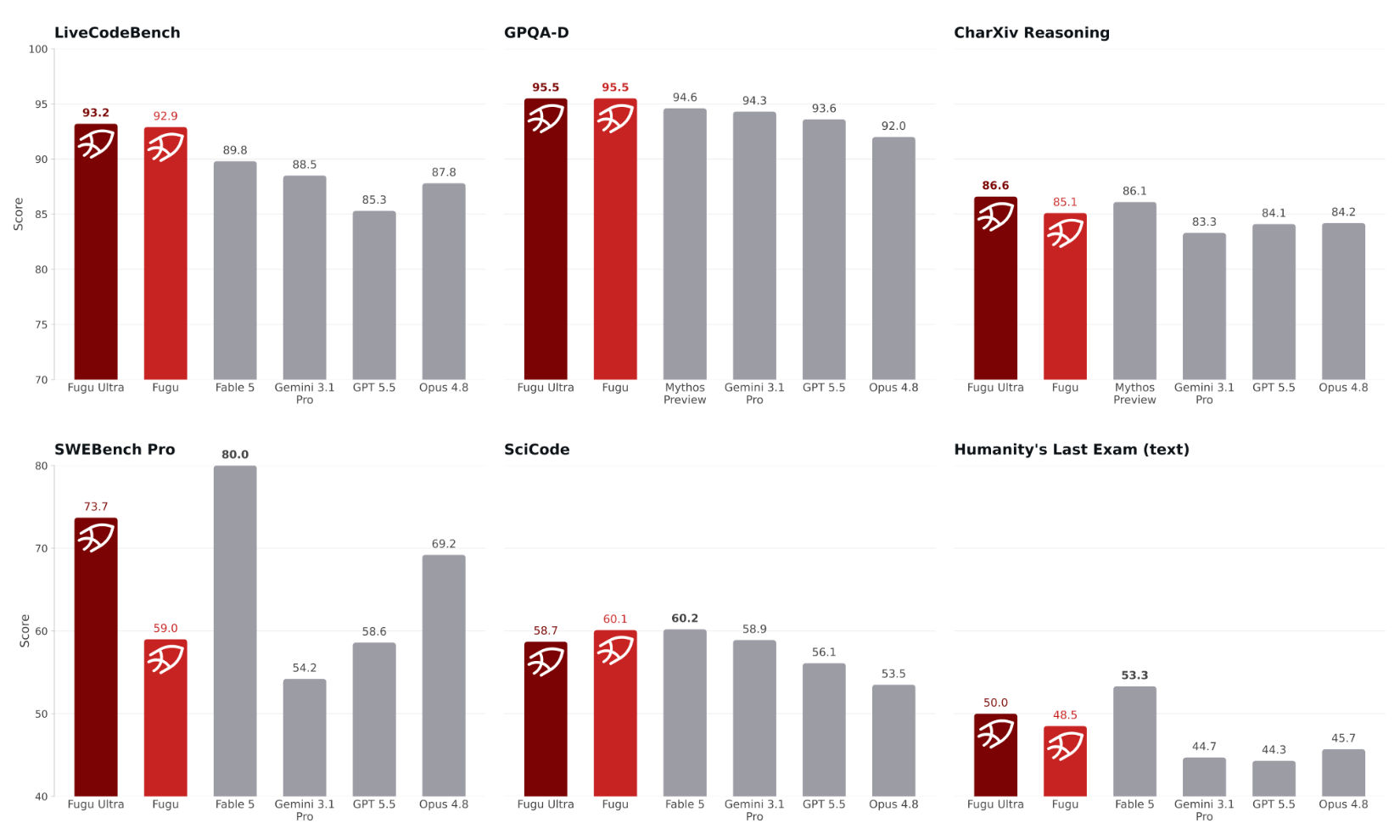
Japan’s Sakana AI launched Fugu, a model that routes each request to the best available model through a single API, making it easy to swap providers without rebuilding your stack. Multi-agent orchestration is being pitched as a hedge against the kind of supply disruption that happened in June when the US government forced Anthropic to suspend access to Fable 5 and Mythos. It connects directly to what our CEO Paul Coggins wrote about data sovereignty this week: the LLM should never be the thing your business depends on.
Read This 📚
NVIDIA’s Jensen Huang says that society needs to “create new social norms” due to the rise of AI



%201.svg)
