ROAS formula: 7 effective strategies to amplify your advertising returns
August 19, 2024
- min read
Introduction
Understanding how to calculate ROAS (Return on Advertising Spend) is crucial for any business aiming to optimize its marketing strategies. The ROAS formula is a key metric that helps businesses measure the effectiveness of their advertising campaigns. In this comprehensive guide, we will explore the ROAS formula, its importance, and how to leverage it to improve your marketing spend. We will also address frequently searched questions related to ROAS and provide insights into why black box solutions don't work, the necessity of full-channel measuring tools, and the importance of predictive models.
What is ROAS?
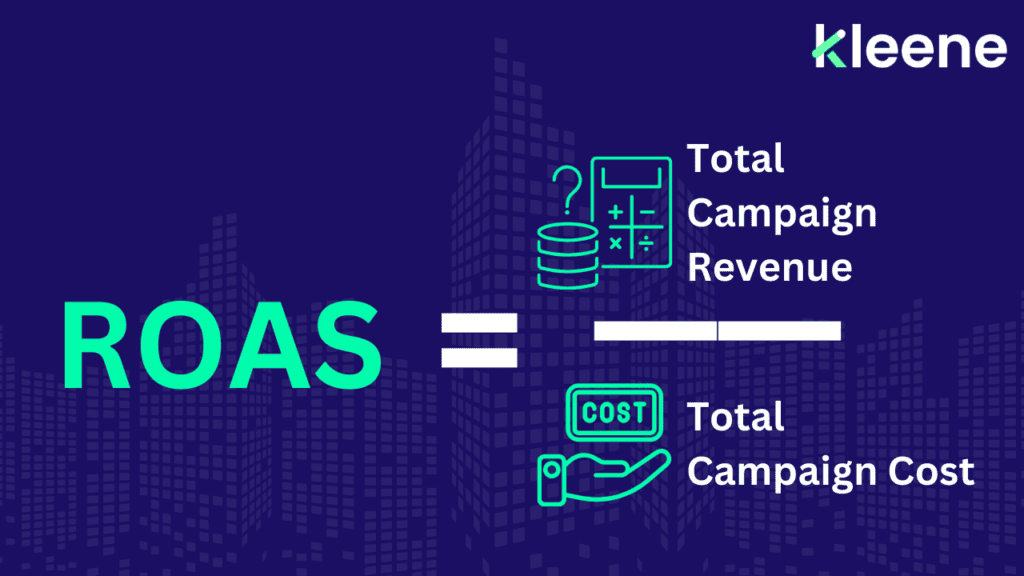
ROAS stands for Return on Advertising Spend. It is a marketing metric that measures the revenue generated for every dollar spent on advertising. The ROAS formula is simple:
Using this formula allows businesses to assess the performance of their advertising campaigns and make informed decisions about where to allocate their marketing budget.
Why the ROAS formula is essential
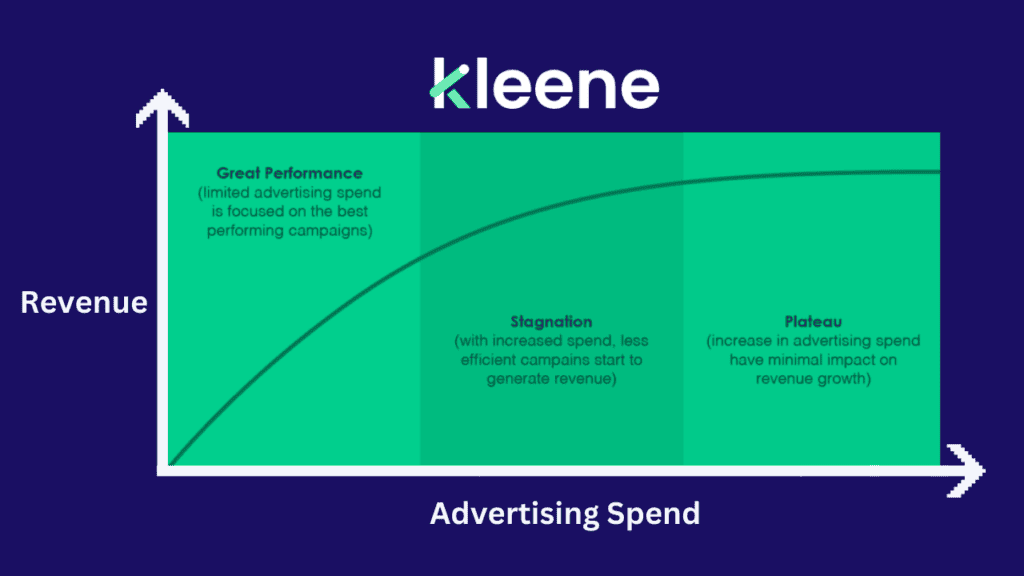
The ROAS formula provides valuable insights into the efficiency of your advertising efforts. By calculating ROAS, you can determine which campaigns are delivering the best returns and which ones need improvement. This metric helps businesses:
7 key strategies to maximize advertising returns with the ROAS formula
Timing of ROAS calculation: the importance of cohorted data
When calculating ROAS, it’s important to consider the timing of revenue generation. Different advertising campaigns can have varying lag times between the ad spend and the resulting revenue. This is where cohorted data becomes essential.
What is cohorted data?
Cohorted data groups customers based on a shared characteristic within a specific timeframe, such as the month they first interacted with your ad. By using cohorted data, you can more accurately attribute revenue to the corresponding advertising spend.
Why use cohorted data for ROAS?
How to calculate cohorted ROAS
For example, if you spent £5,000 on advertising in January and the customers acquired in January generated £20,000 in revenue by the end of March, your cohorted ROAS would be:
Cohorted ROAS=£20,000/£5,000=4
This means that for every pound spent on advertising in January, you earned £4 in revenue by the end of March.
Why black box solutions don’t work
Black box solutions are pre-packaged tools that offer limited customization and transparency. While they may seem convenient, they often fall short in providing accurate measurements tailored to your unique business needs. Here’s why:
The necessity of full-channel measuring tools
Without full-channel measuring tools, companies struggle to measure brand spending accurately and understand how to allocate resources efficiently. These tools are crucial because:
Importance of marketing spend optimization tools
Marketing spend optimization tools are essential for maximizing the effectiveness of your advertising campaigns. These tools offer:
Comprehensive measurement tools
To accurately calculate or predict ROAS, you need a measurement tool that uses an algorithm considering all touchpoints, including both offline and online. These tools should offer:
Conclusion
Calculating ROAS using the ROAS formula is essential for any business looking to optimize its marketing spend. By understanding and applying the ROAS formula, businesses can make more informed decisions about their advertising strategies. Remember, black box solutions are not sufficient for accurate measurement. Instead, opt for full-channel measuring tools and marketing spend optimization tools that use advanced algorithms and predictive models. These tools will help you measure the impact of each channel, forecast the impact of budget shifts, and ultimately, improve your ROAS.
By following the insights and strategies outlined in this guide, you can ensure that your advertising efforts are not only effective but also efficient, leading to better returns on your marketing investments.
Next steps for increasing ROAS
Integrating cutting-edge technological platforms, such as Kleene’s Decision Intelligence Platform, can make it easier for Chief Marketing Officers to implement Marketing Mix Modelling and ensure ROI.
By streamlining the implementation of Marketing Mix Modelling , our platform enables Marketing teams to access deeper insights more efficiently and effortlessly. This efficiency is achieved through:
Contact a Kleene.ai data expert to learn more about how their Decision Intelligence Platform can help your company get a better ROAS
ROAS stands for Return on Advertising Spend. It is a metric that measures the revenue generated for every dollar spent on advertising. The ROAS formula is:
2. What is a good ROAS?
A good ROAS varies by industry and business goals. A common benchmark is a ROAS of 4:1, meaning you earn £4 for every £1 spent on advertising. This indicates a healthy return on investment.
3. How can I improve my ROAS using the ROAS formula?
To improve your ROAS, consider optimizing ad targeting, enhancing ad creatives, utilizing A/B testing, and refining bidding strategies, all of which can positively impact the ROAS formula outcome.
4. How do I calculate ROAS for multiple campaigns using the ROAS formula?
To calculate ROAS for multiple campaigns using the ROAS formula, follow these steps:
5. What is the difference between ROAS and ROI?
ROAS measures the revenue generated from advertising spend, using the ROAS formula, while ROI (Return on Investment) measures the overall profitability of an investment. ROI considers all costs and revenues, not just those related to advertising, while ROAS focuses specifically on advertising efficiency through the ROAS formula.
6. Why should I use cohorted data for ROAS formula calculation?
Cohorted data provides a more accurate attribution of revenue to the corresponding advertising spend, considering the lag time between ad exposure and conversion. This improves the accuracy of the ROAS formula.
7. What are black box solutions?
Black box solutions are pre-packaged tools with limited customization and transparency. They often lack the accuracy and flexibility needed for tailored business needs, unlike tools that apply the ROAS formula precisely.
8. Why are full-channel measuring tools essential for the ROAS formula?
Full-channel measuring tools provide a comprehensive view of all marketing channels, allowing for accurate revenue attribution and better resource allocation using the ROAS formula.
9. What are the benefits of marketing spend optimization tools for the ROAS formula?
These tools measure the impact of each marketing channel, use predictive models to forecast budget shifts on ROAS, CAC, and LTV, and enable strategic allocation decisions, enhancing the application of the ROAS formula.
10. How do comprehensive measurement tools work for the ROAS formula?
Comprehensive measurement tools use advanced algorithms to integrate data from various sources, apply sophisticated attribution models, and provide real-time insights for accurate ROAS calculation using the ROAS formula.



%201.svg)
