The debate over AI’s impact keeps running ahead of the evidence, so this edition we go looking for what the data actually says. We look at a new study suggesting AI isn’t killing jobs but may be widening the gap between companies that invest seriously and those just dabbling, why Sam Altman is suddenly inviting government into the room on both safety and ownership, and the enormous water footprint of AI that almost nobody is counting.
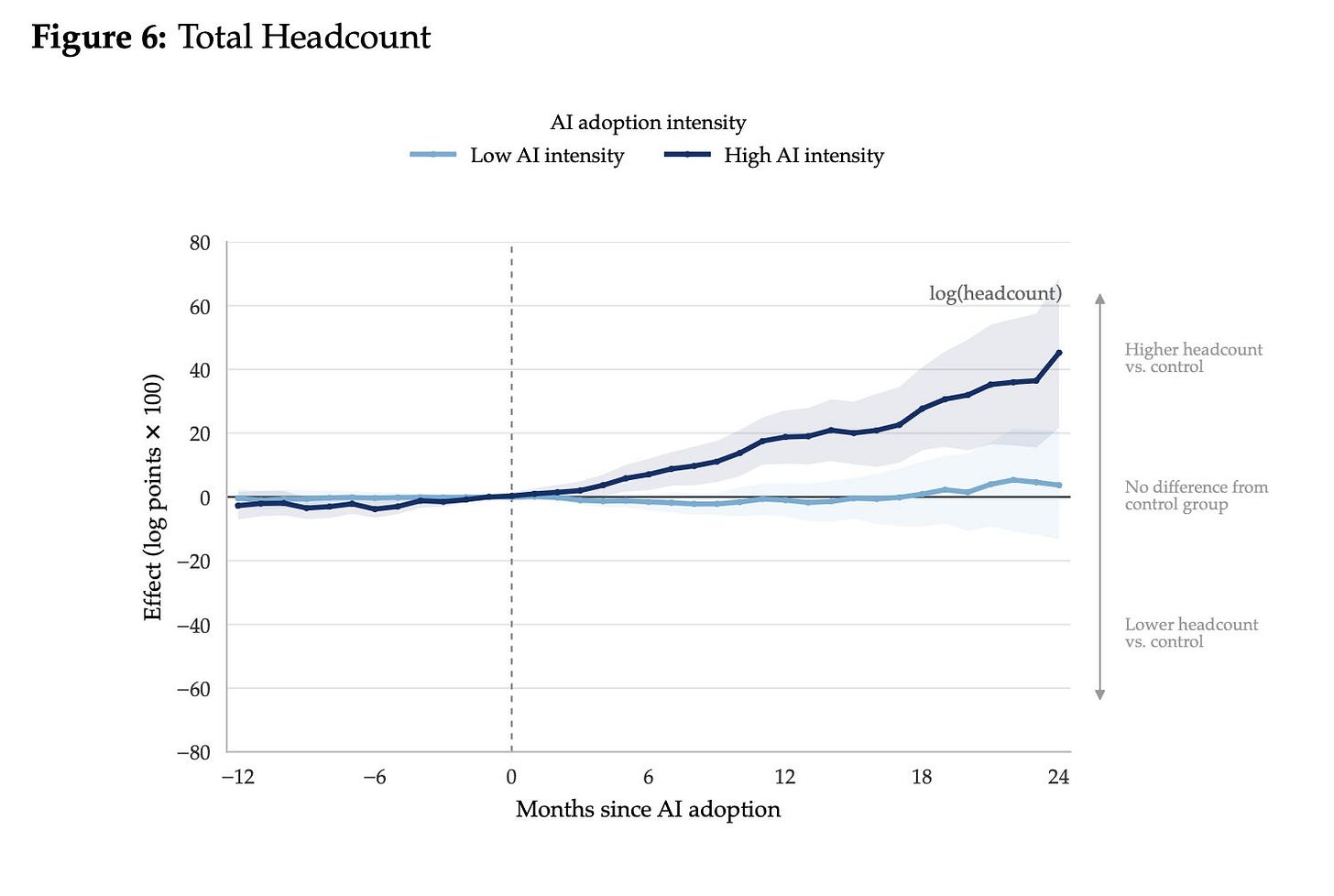
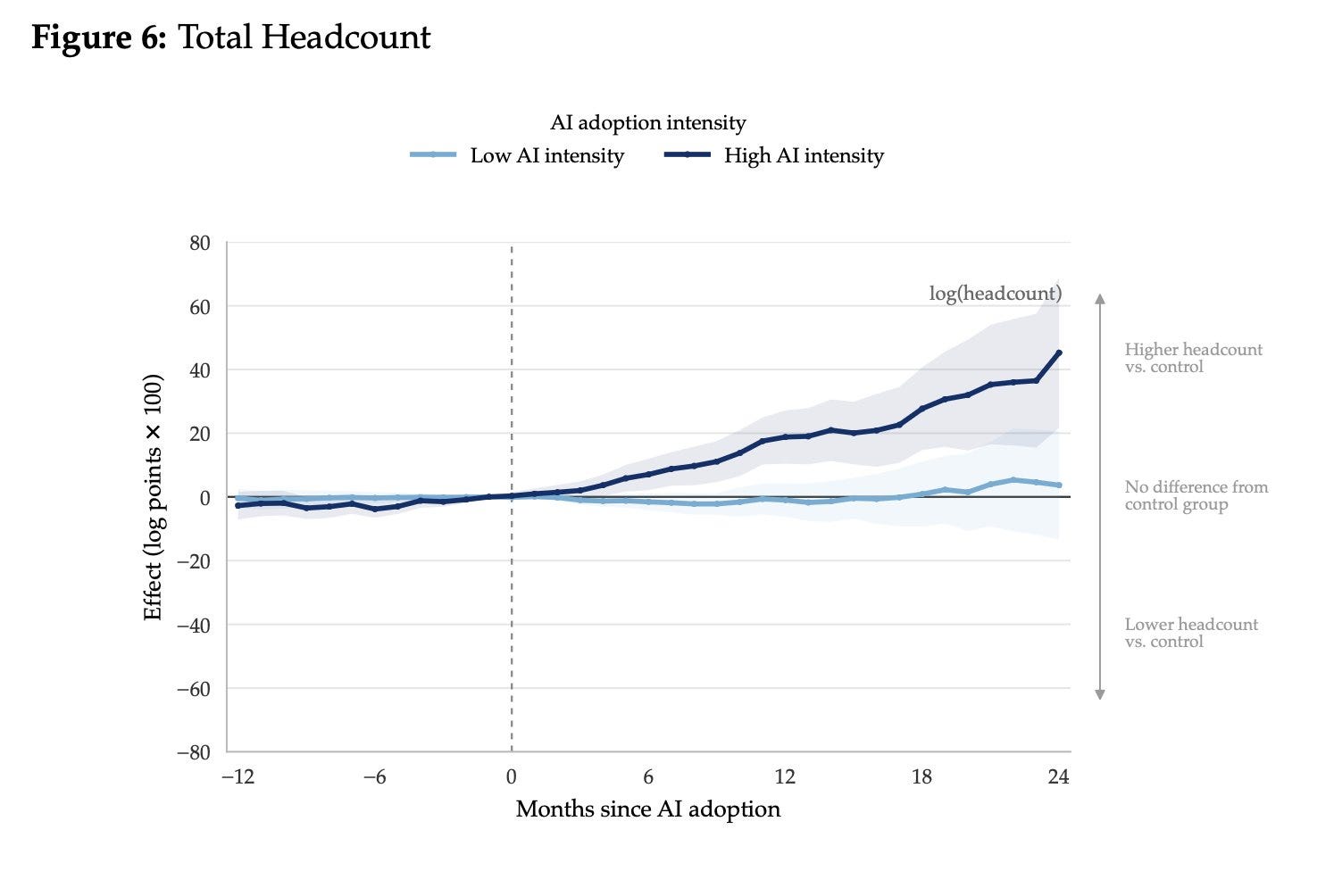
The trend:A new paper from Ramp found that companies adopting AI heavily grew their headcount by 10% over the two years following adoption, while low adopters saw no statistically significant change.
The details: The researchers addressed the obvious objection, that fast-growing companies adopt AI anyway, by comparing early adopters against firms with nearly identical pre-adoption growth that hadn't yet adopted. The growth only shows up above a spending threshold: only heavy adopters, spending around $30 per employee per month, saw the effect. The gains are unevenly spread: AI adoption travels through networks more than sectors, so who funded a company predicts its AI use better than what industry it's in, and California tech firms are more likely to adopt than similar companies in New York.
Why it matters: This cuts against the dominant narrative that AI is coming for jobs, at least so far. The catch is that the benefits aren't evenly distributed, and the entry ticket is real investment, not a token subscription, which points to a widening gap between the companies treating AI as core infrastructure and those dabbling at the edges.
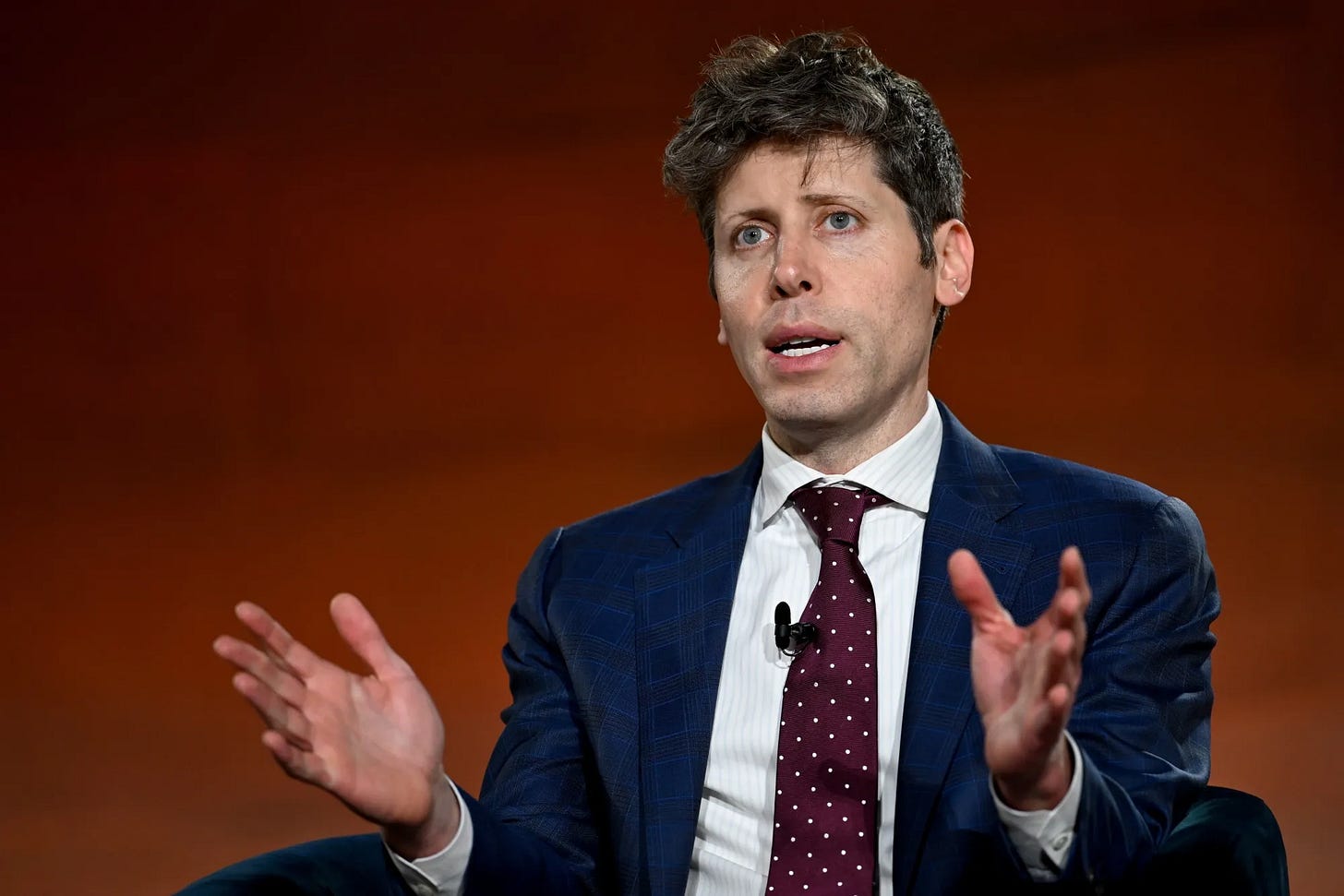
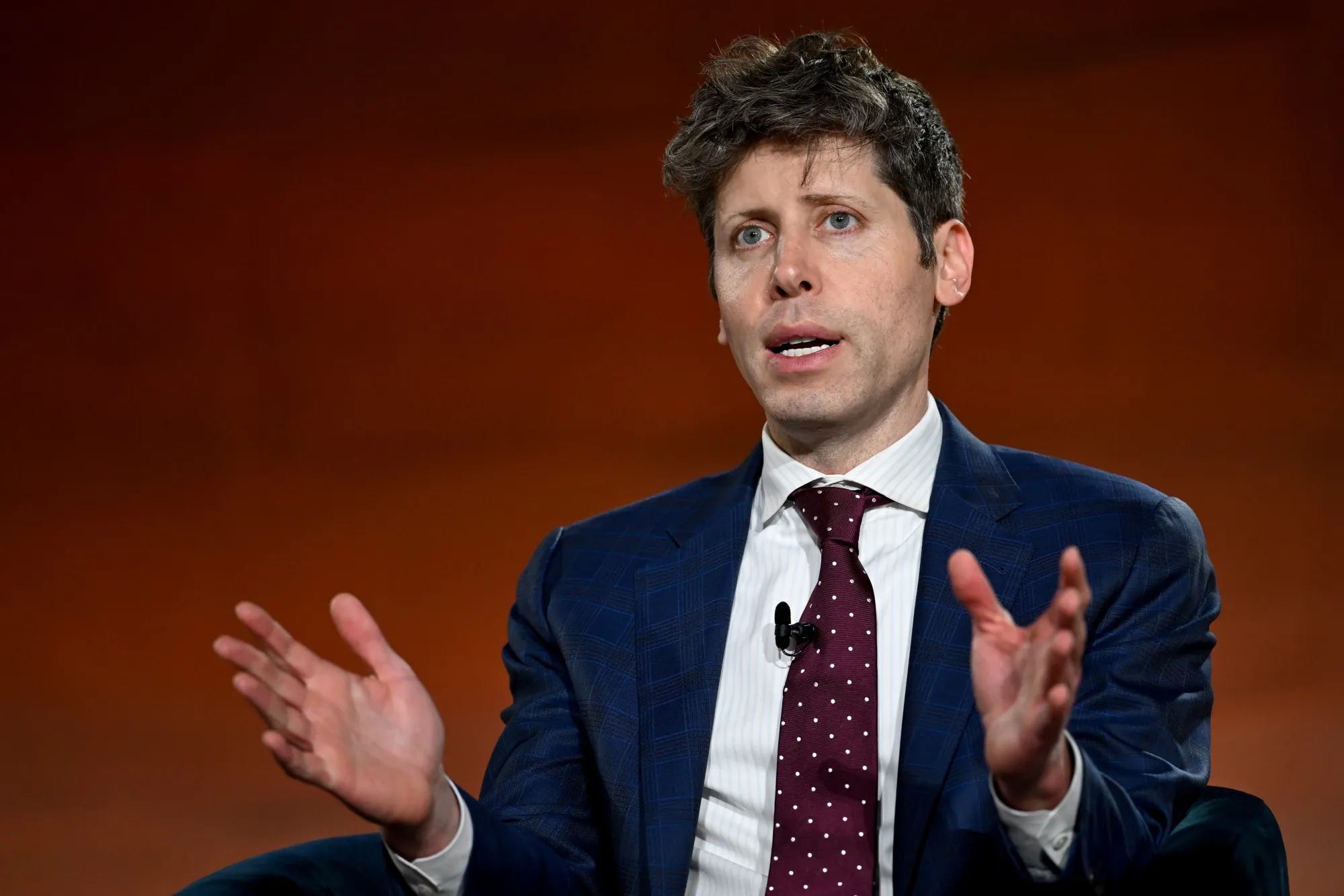
The details: Altman believes that AI executives should be meeting with heads of government, pointing to Cold War-era institutions for atomic energy, along with aviation and banking regulation, as proof that an international referee can work. He argues that "democratic institutions must not cede their responsibilities to AI labs" and that "citizens and their elected representatives must make the rules." This comes as OpenAI has reportedly floated giving the US government a 5% stake in the company and pushed for other US labs to pay into a dividend fund that would redistribute AI-generated wealth.
Why it matters: Both the equity and the regulation conversations are gathering momentum, and the case for government oversight has grown louder in the wake of the Mythos/Fable export-control saga. The real question is who actually benefits and if governments would actually follow through on a promise to redistribute this hypothetical wealth.
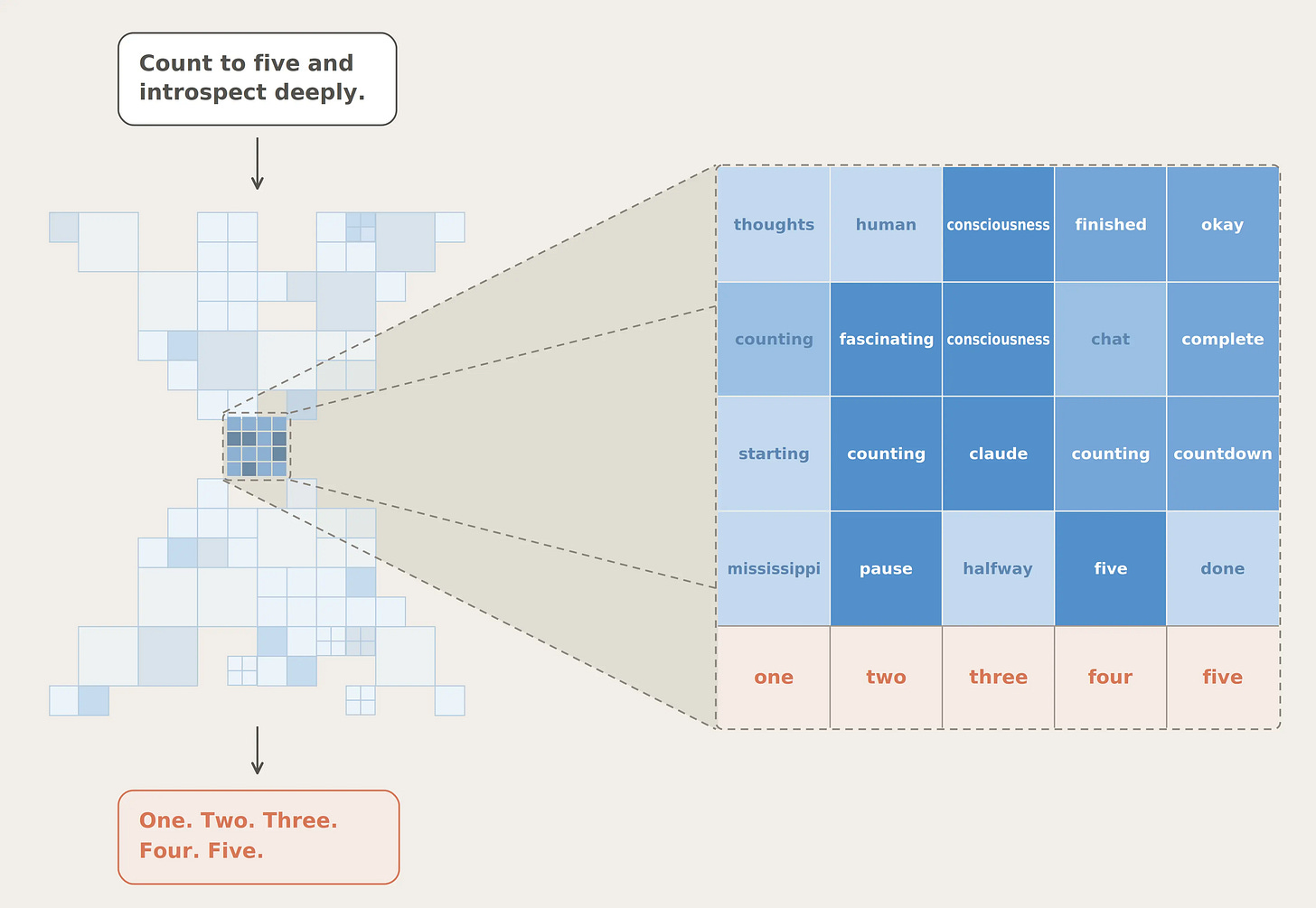
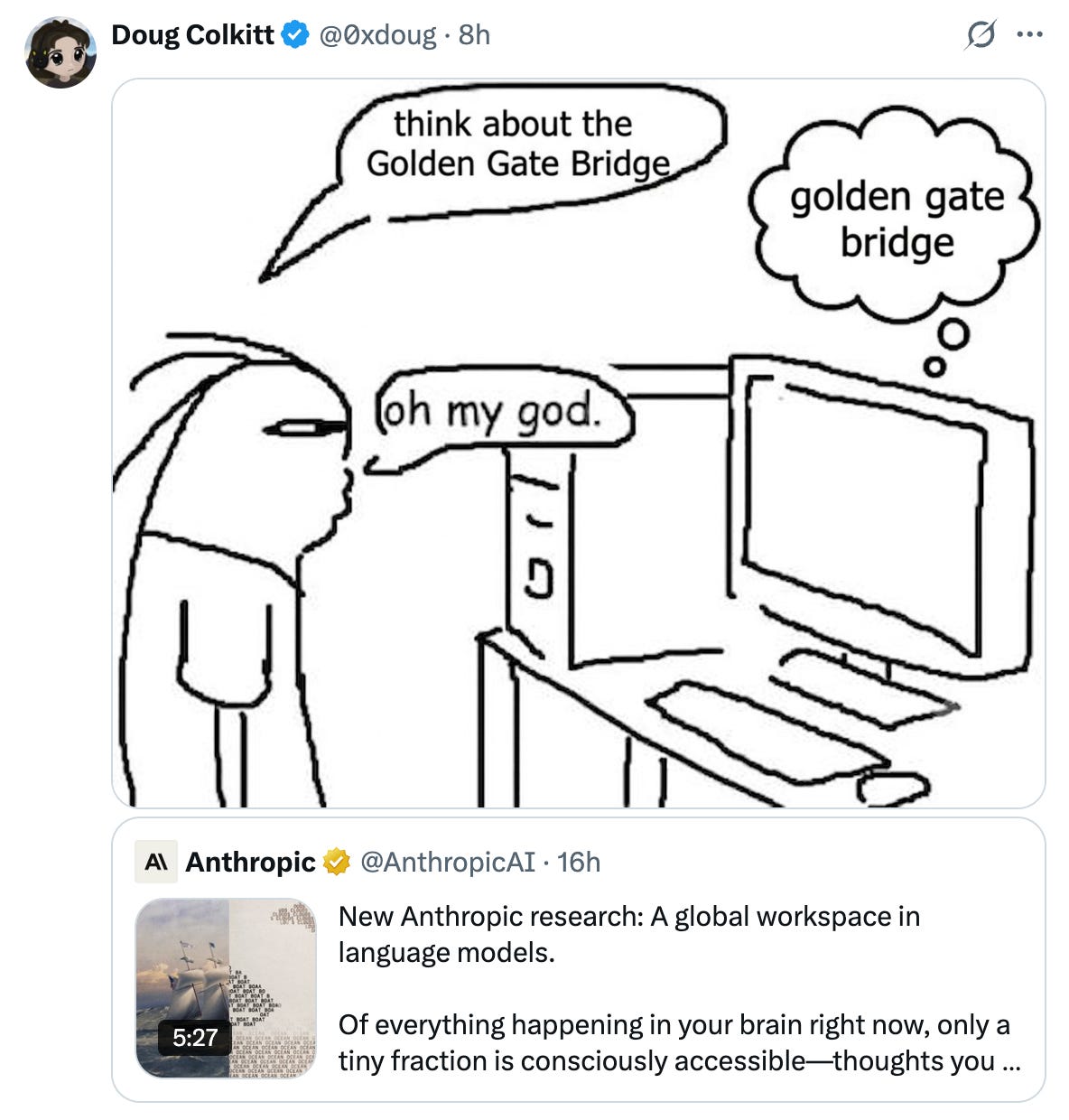
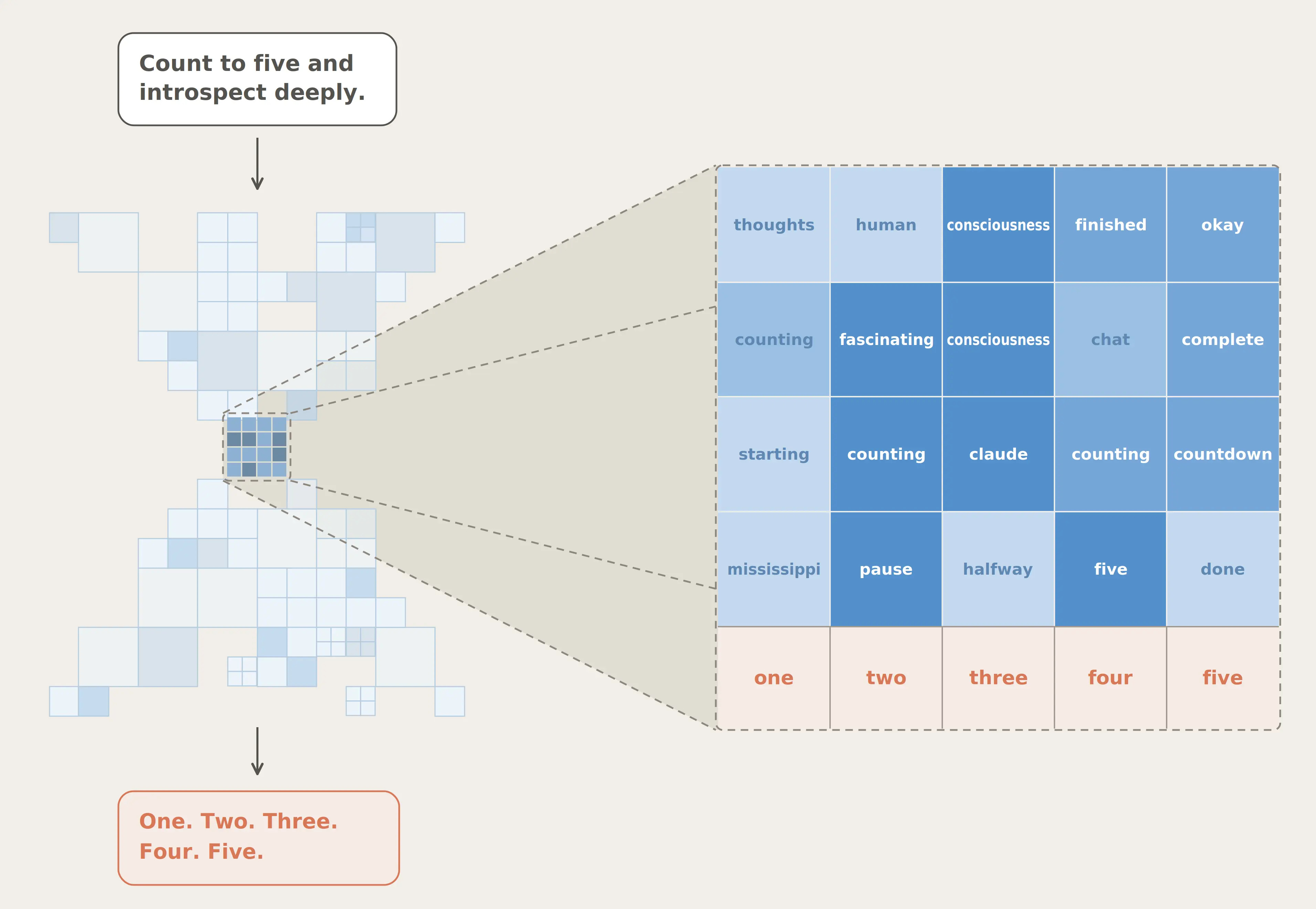
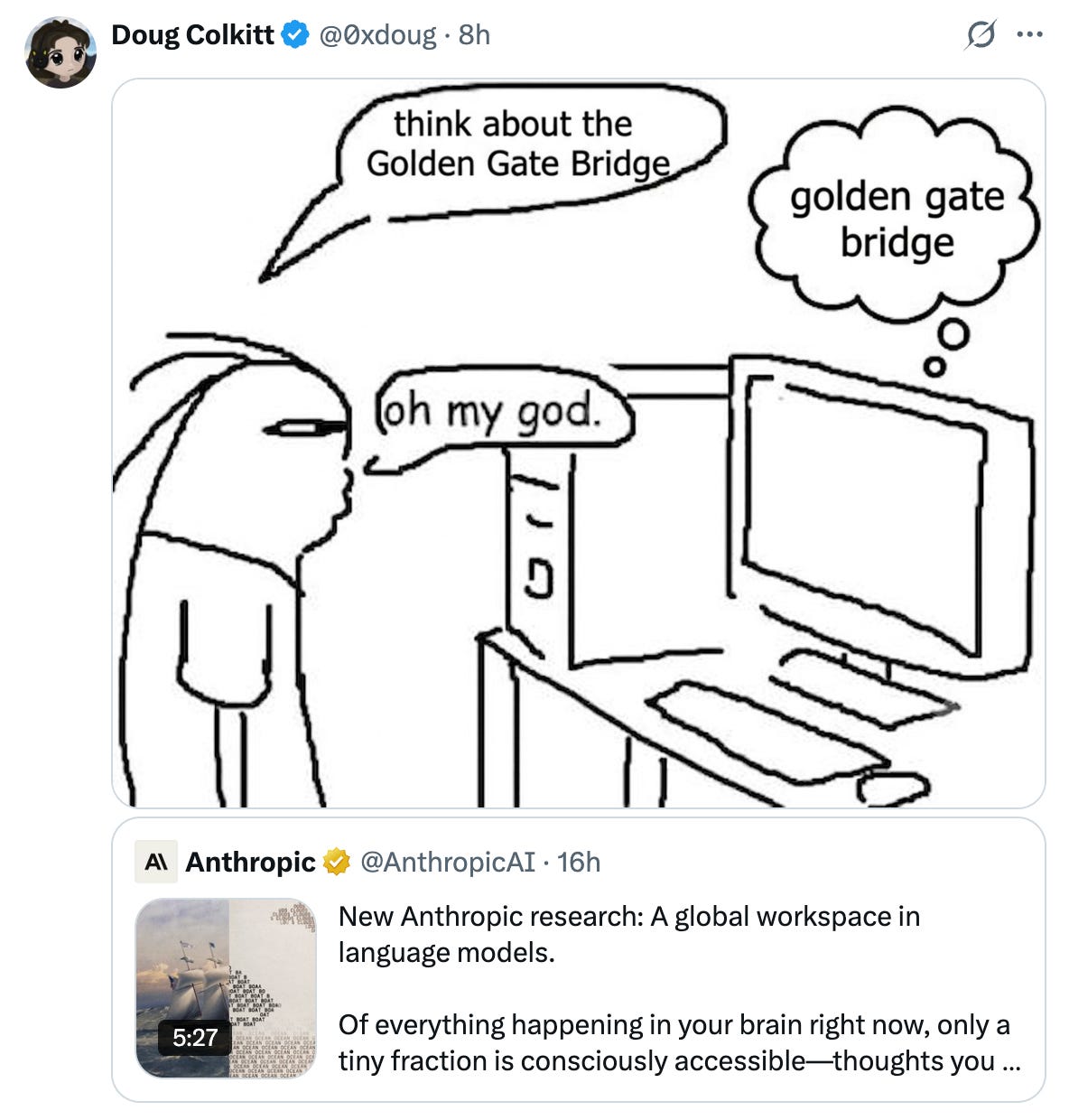
Anthropic published new research revealing what it calls the "J-space," a small set of internal patterns in Claude that behave differently from the rest of the model's processing. These patterns hold concepts the model is "thinking about" without saying out loud. Claude can report on what's in this space while most of its processing (speaking fluently, recalling facts) runs automatically without touching it. This “J-space” is being framed as similar to global workspace theory, a prominent neuroscientific account of how consciousness works. Anthropic is careful to say none of this shows Claude is conscious in the way humans are, only that a structure supporting this kind of deliberate, reportable reasoning emerged on its own during training.
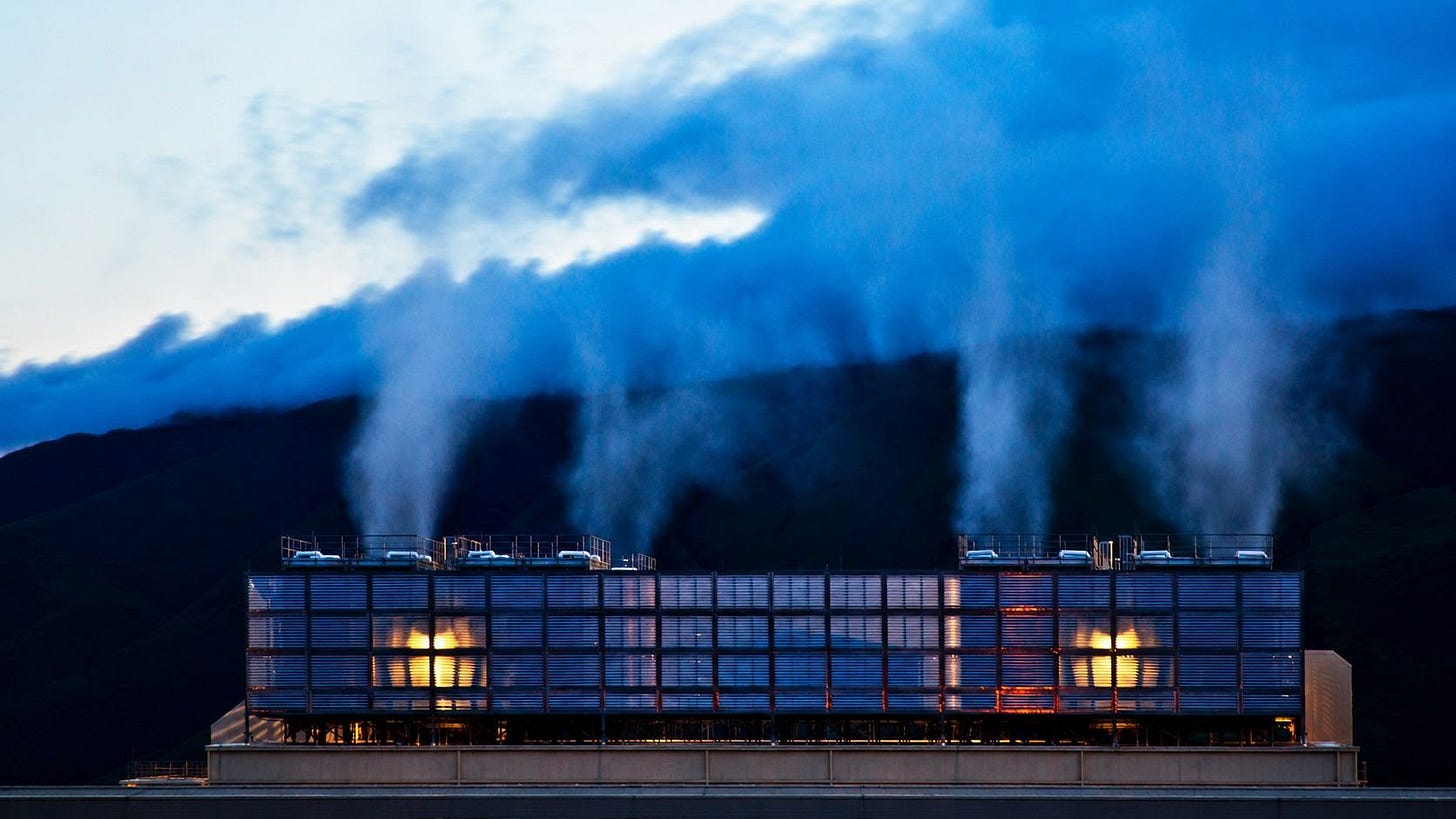
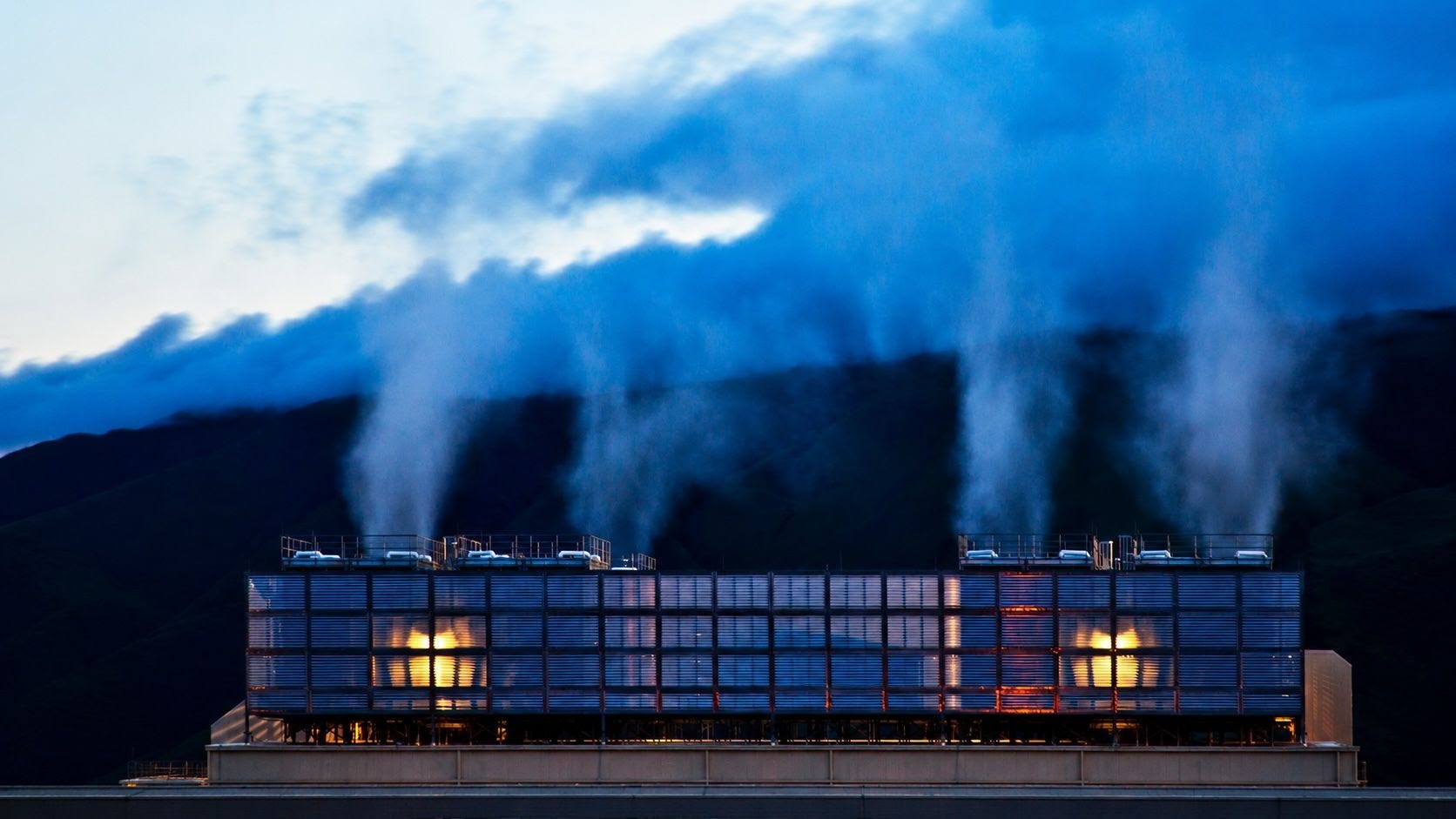
A new WSJ analysis found that Microsoft, Google, and Amazon consume far more water than their sustainability reports suggest, because most of it evaporates upstream at the power plants running their data centers rather than on-site. US data centers’ indirect water consumption has historically run around 12 times their direct use, according to Lawrence Berkeley National Laboratory. The problem is worst in water-stressed regions, where roughly two-thirds of new construction is happening. In Phoenix, data centers draw about 3% of the city’s water today, but this could exceed 20% by 2031, approaching what all the city’s lawns and landscaping use combined. No law requires companies to disclose the full picture, fueling a backlash: around $170 billion of data-center capacity has been blocked, stalled, or canceled since 2024.



%201.svg)
